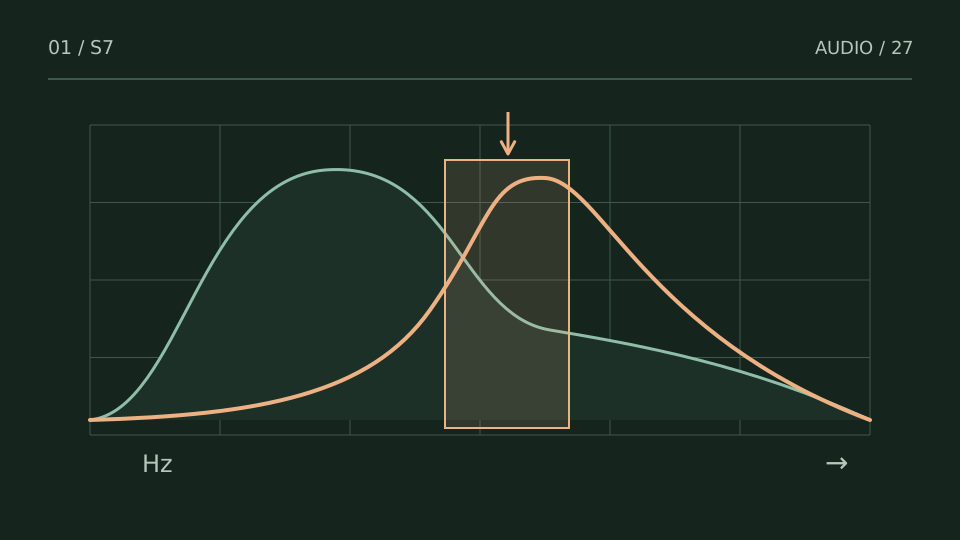
Make space for a vocal without hollowing the mix
Treat masking as a time-and-frequency collision. Locate the collision before cutting the whole arrangement.
se7en beatlab · The listening room
Start with the problem in your session. Read a concrete example, try a comparison and leave with a decision you can use.
27 guides · Listening examples · Local calculators · No account

Listening exercise · local audio
A and B share the same signal. B starts 1.5 dB louder. After matching, they are identical.
Use a moderate listening volume. Sound starts only when you press play.
Synthesized illustration, not a hearing test, a recording or a plugin demonstration.
Three useful starting points

If another 2 dB only makes the mix louder, the problem may be density, consonant loss, ambience or arrangement rather than fader level.
Open the guide →
LUFS is useful for comparing perceived program level over time. It is not a mastering grade.
Open the guide →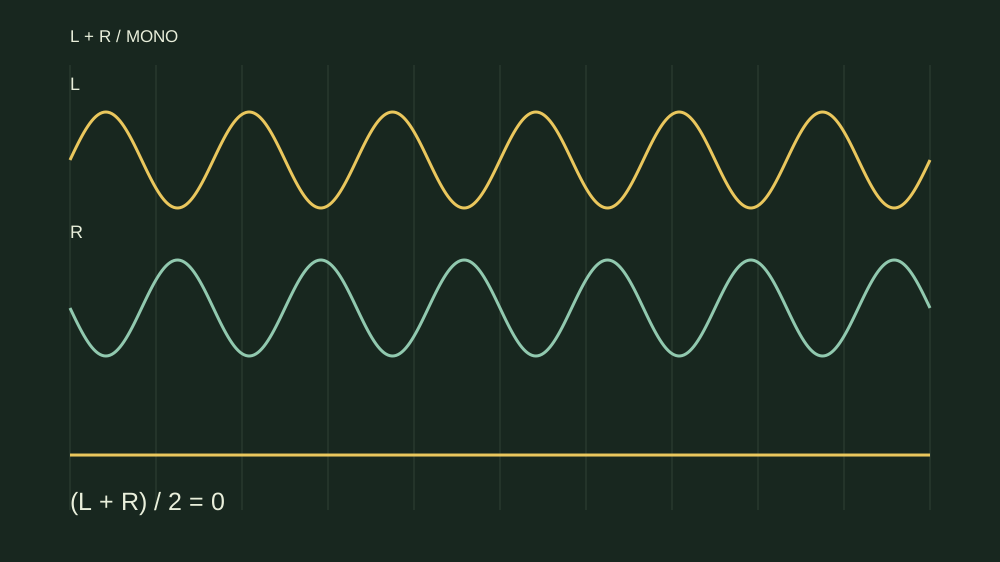
Mono sums left and right. Opposing phase relationships can partially cancel; width by itself is not the problem.
Open the guide →The guide collection
Treat masking as a time-and-frequency collision. Locate the collision before cutting the whole arrangement.
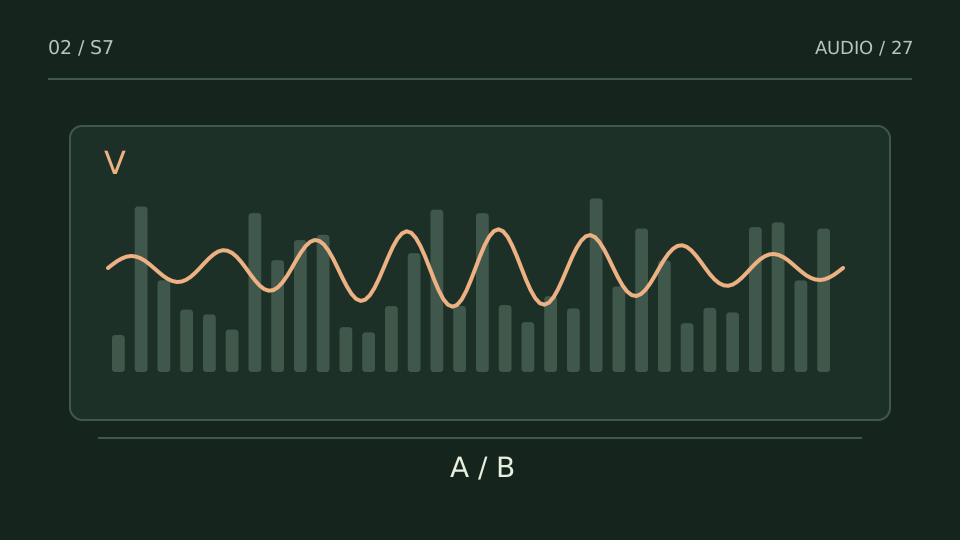
If another 2 dB only makes the mix louder, the problem may be density, consonant loss, ambience or arrangement rather than fader level.
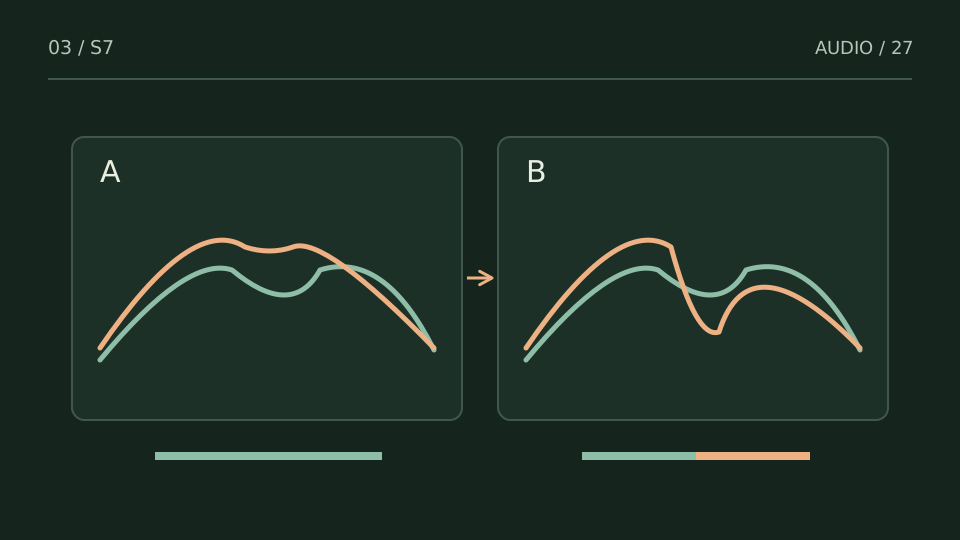
Dynamic spectral space is useful when the conflict exists mainly while the lead is active.
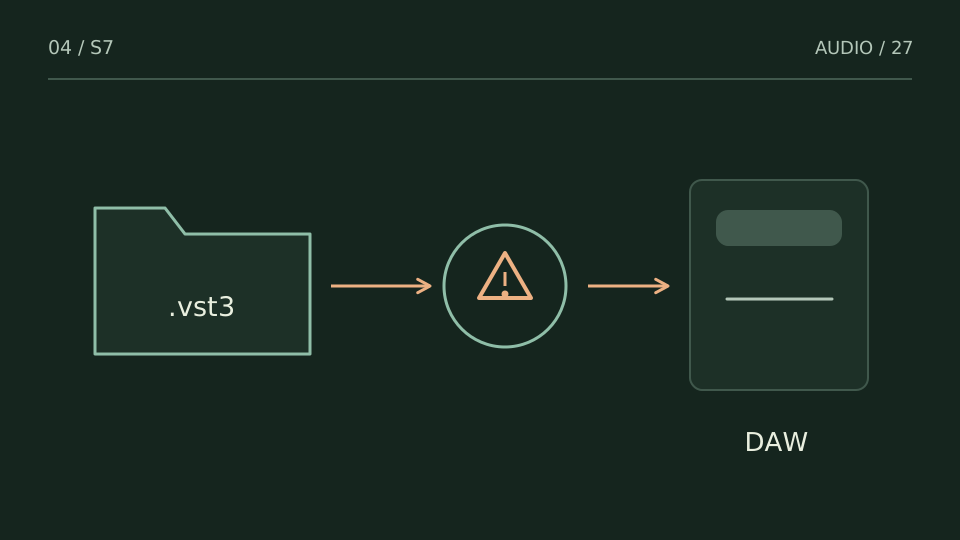
Troubleshoot in order: file exists, architecture matches, host scans the location, plug-in is not blocked.
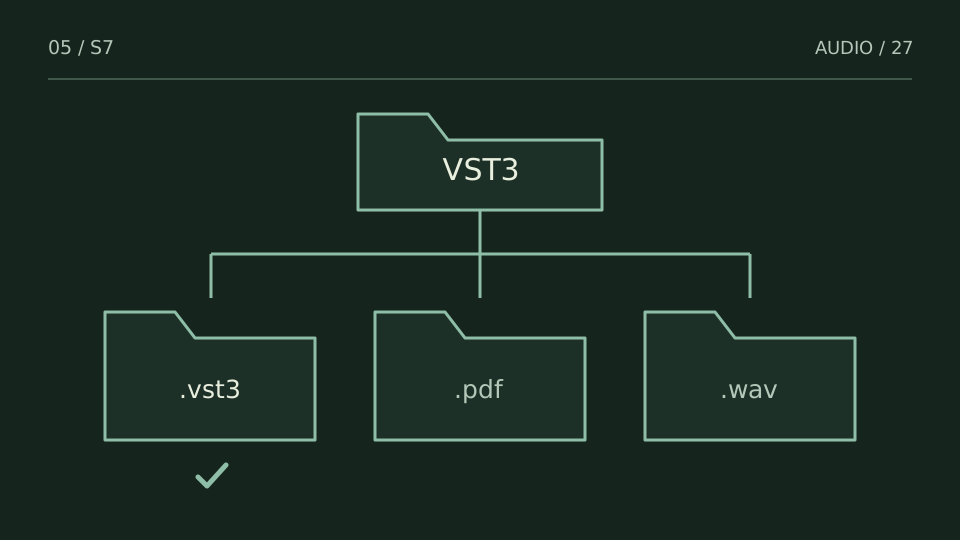
For a standard 64-bit Windows VST3 install, start with C:\Program Files\Common Files\VST3.
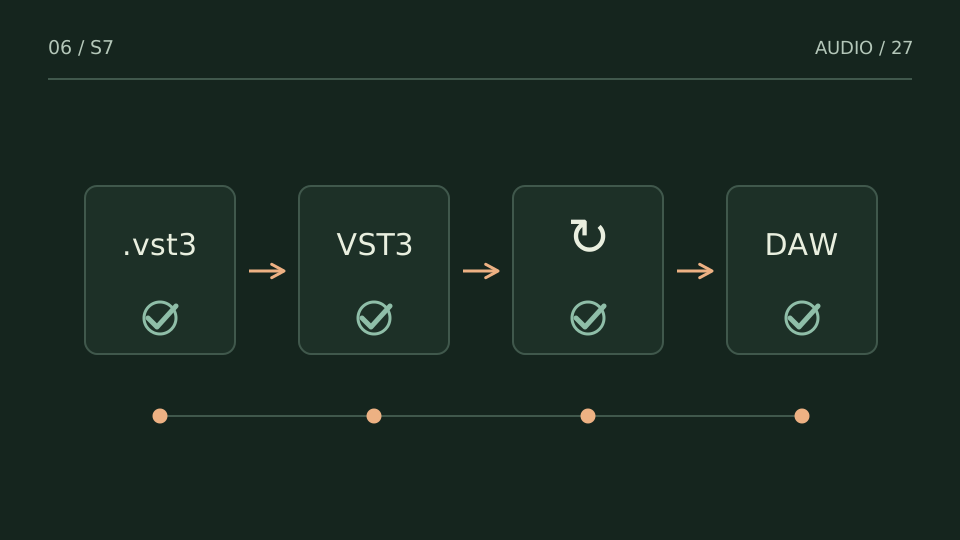
Rescan after the file and path check, not before it. A scan cannot discover a plug-in where the host does not look.
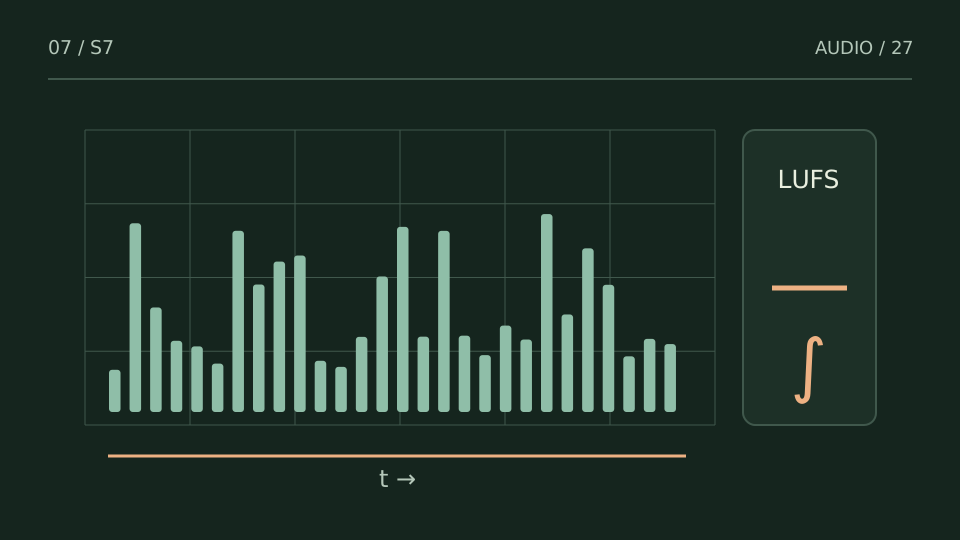
LUFS is useful for comparing perceived program level over time. It is not a mastering grade.
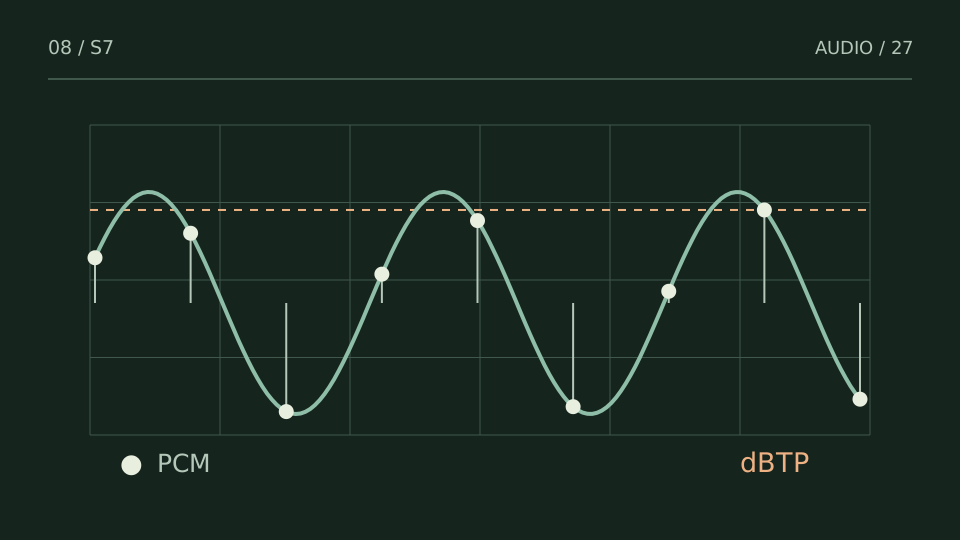
True peak estimates peaks between samples that can appear during reconstruction or encoding.
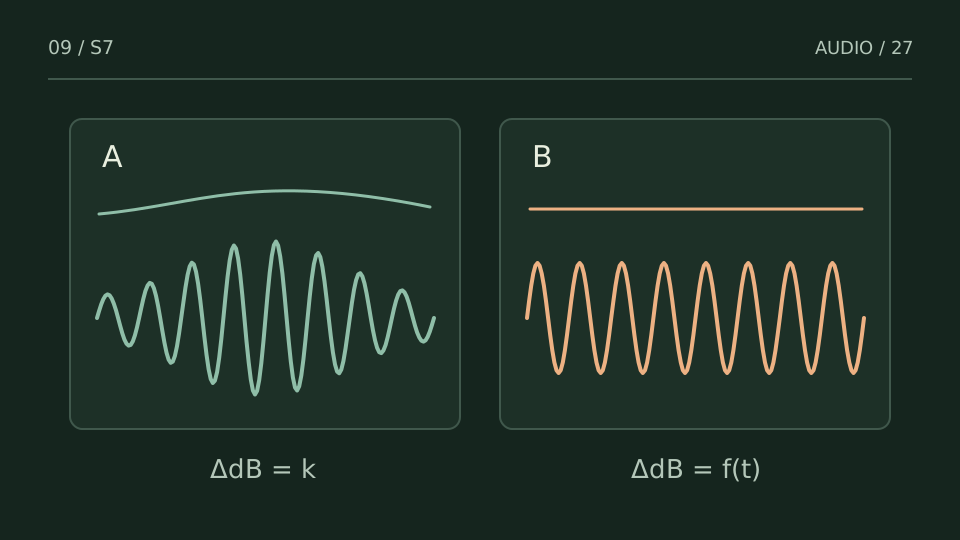
Normalization changes gain toward a target; leveling changes level relationships over time; compression shapes dynamics through a detector and curve.
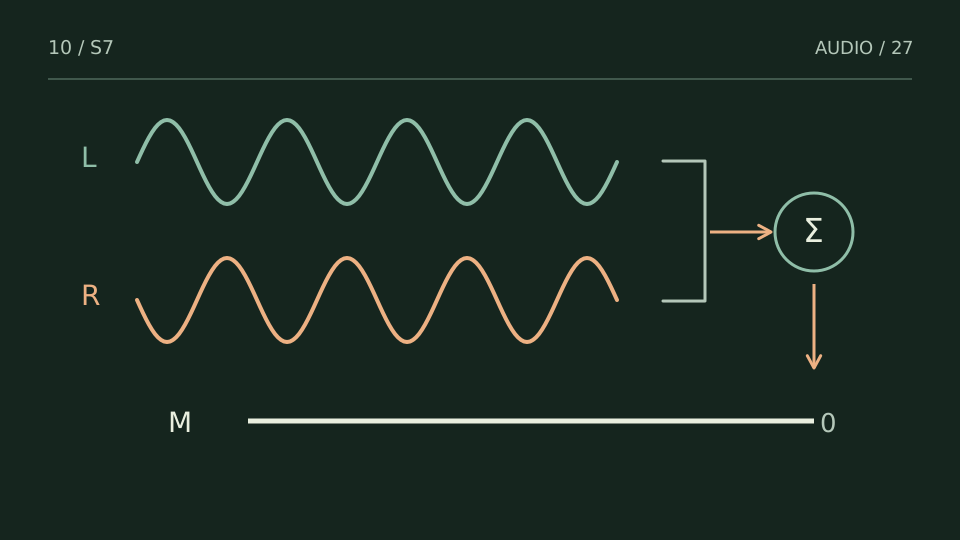
Mono sums left and right. Opposing phase relationships can partially cancel; width by itself is not the problem.
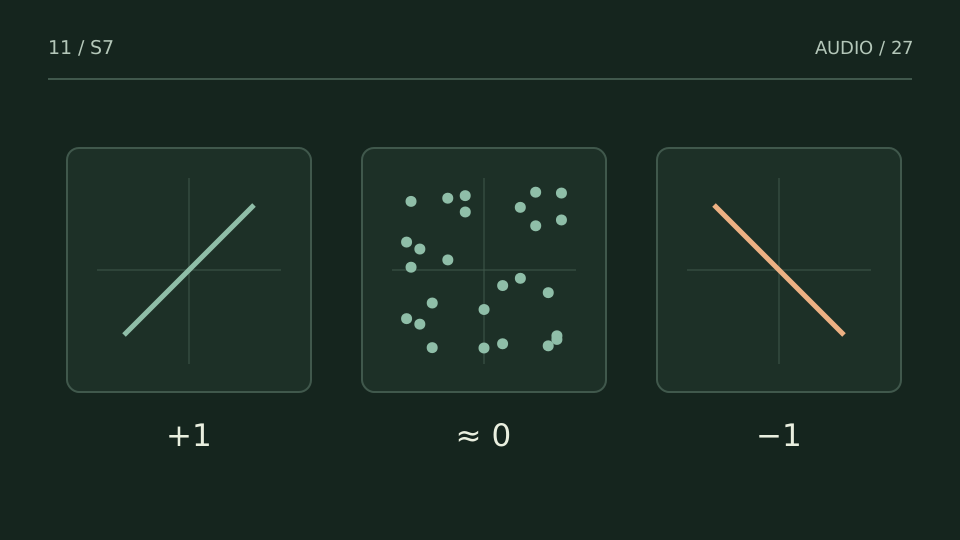
Correlation describes channel similarity. Use it to investigate changes you hear, not to force every section toward one reading.
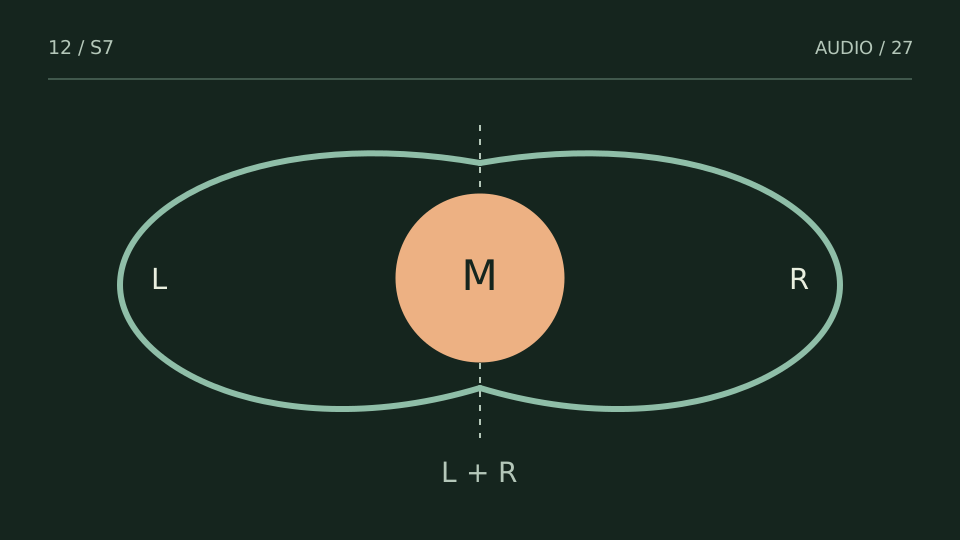
Chorus width becomes fragile when delay and modulation relationships create strong cancellation in the mono sum.
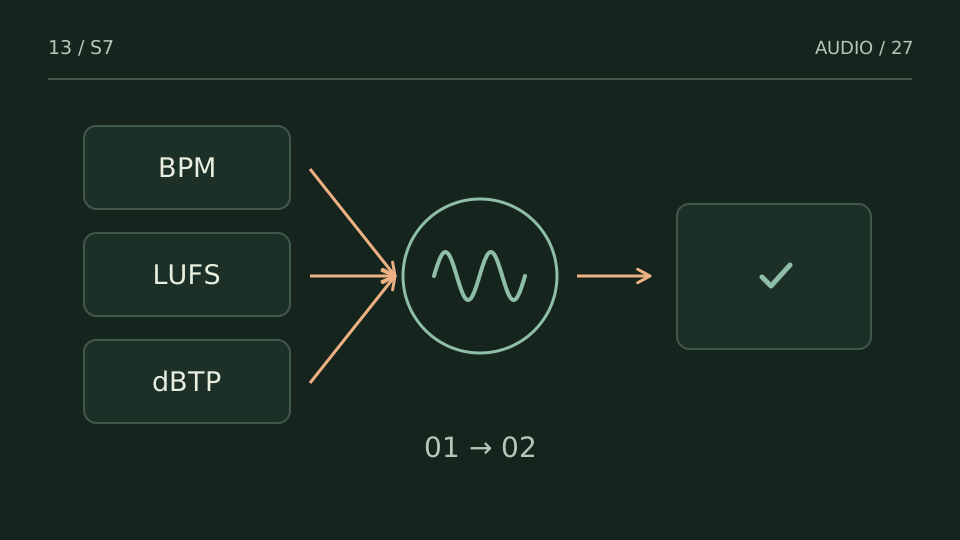
Studio Checkup sits inside the Audio Analyzer and turns existing metrics into four explicit decisions: loudness, mono/stereo, spectral space and finishing.
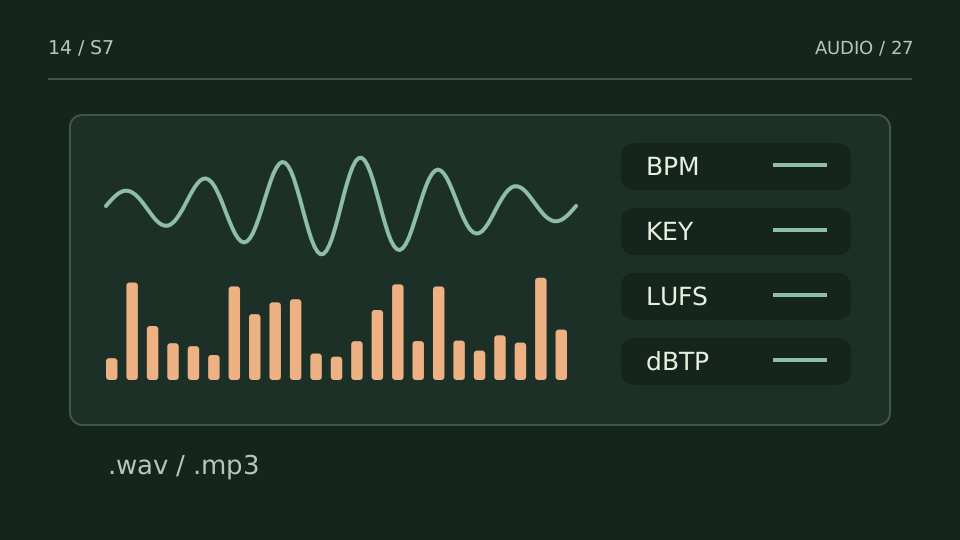
Use analysis to narrow the search space: loudness, peaks, dynamics, spectrum and stereo behavior first; processing second.
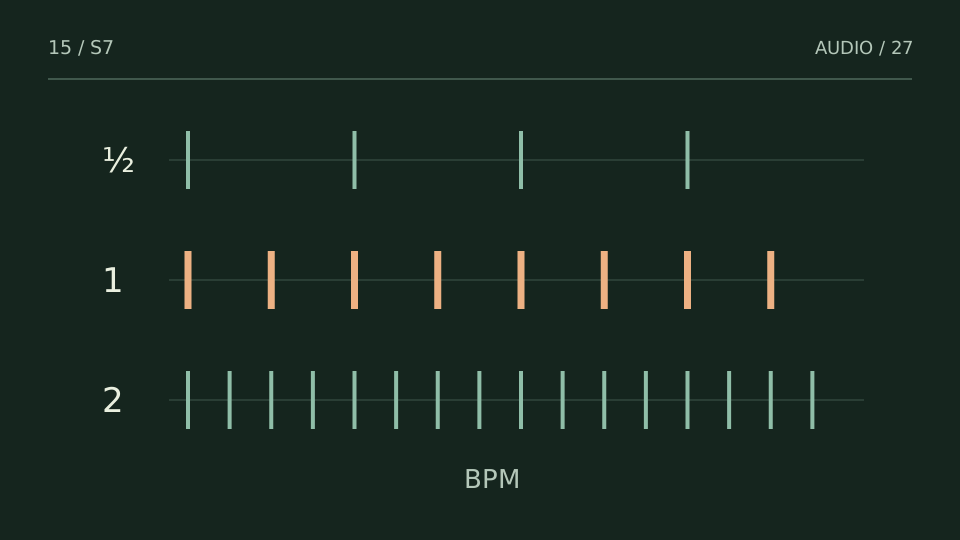
A BPM estimate is useful for grids, delays and planning, but half-time and double-time interpretation still depends on musical context.
A focused macro is useful when its internal behavior is bounded and the user can verify the result quickly.
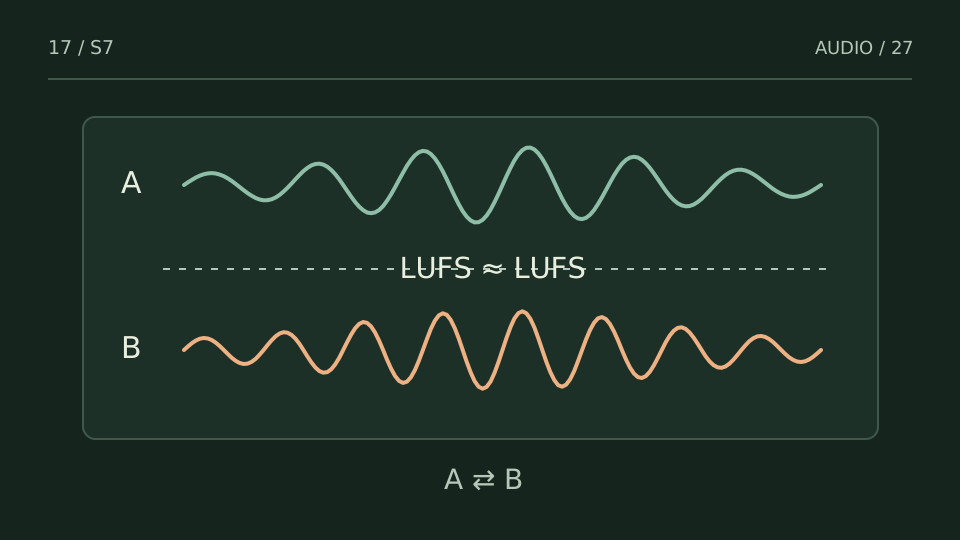
Before judging tone, width or punch, remove the level advantage between processed and bypassed states.
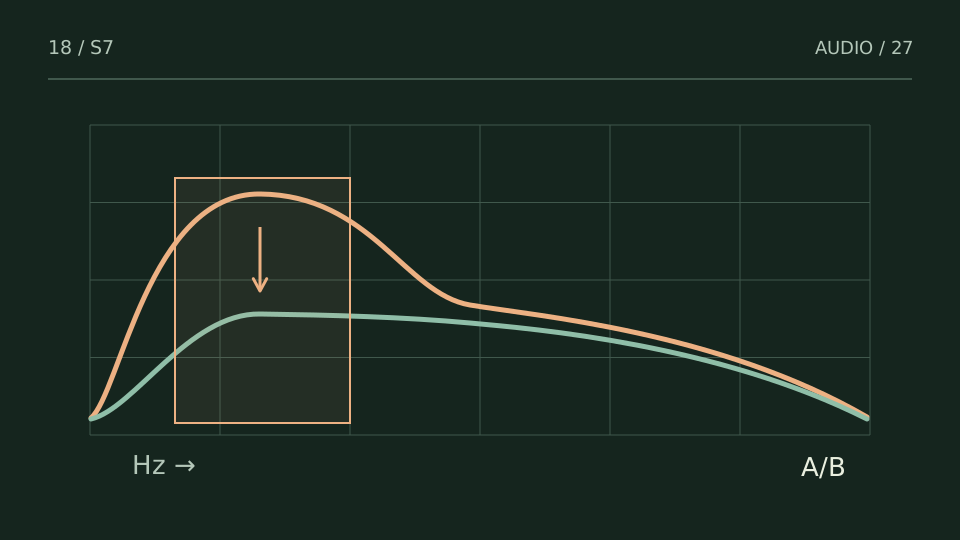
Mud is usually an accumulation problem. Find which sources occupy the same low-mid region at the same time.
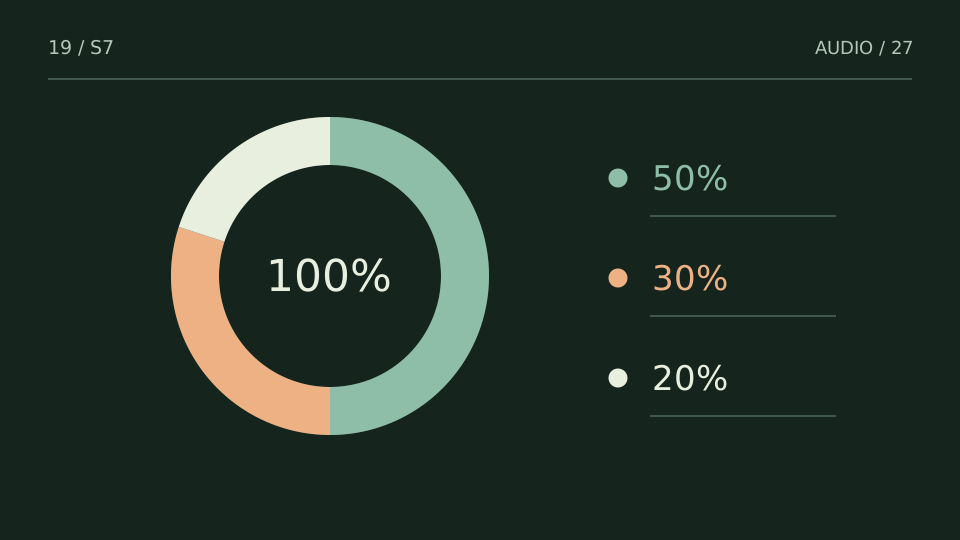
Capture who contributed, the agreed shares and identifiers before distribution turns memory into a rights problem.
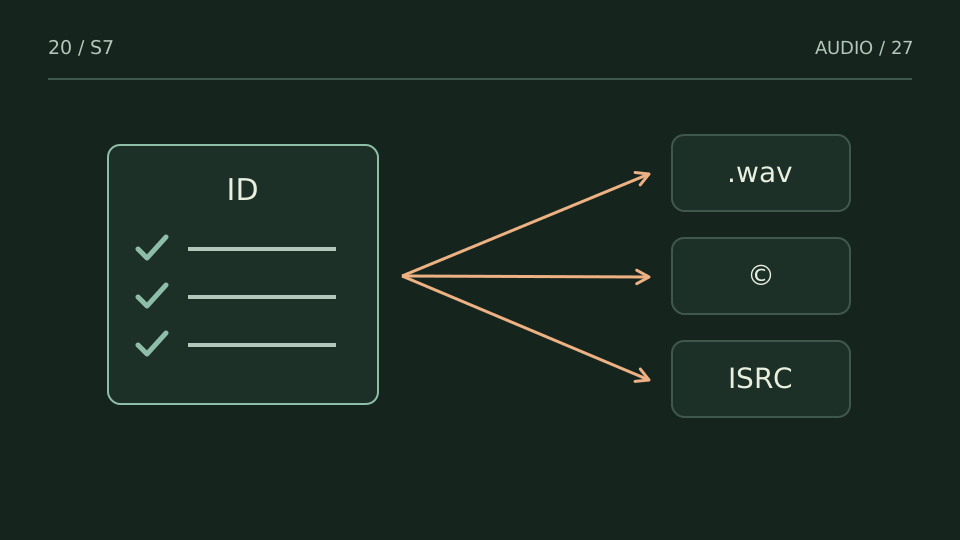
Use one canonical release record and copy from it instead of retyping names, versions and credits in every service.
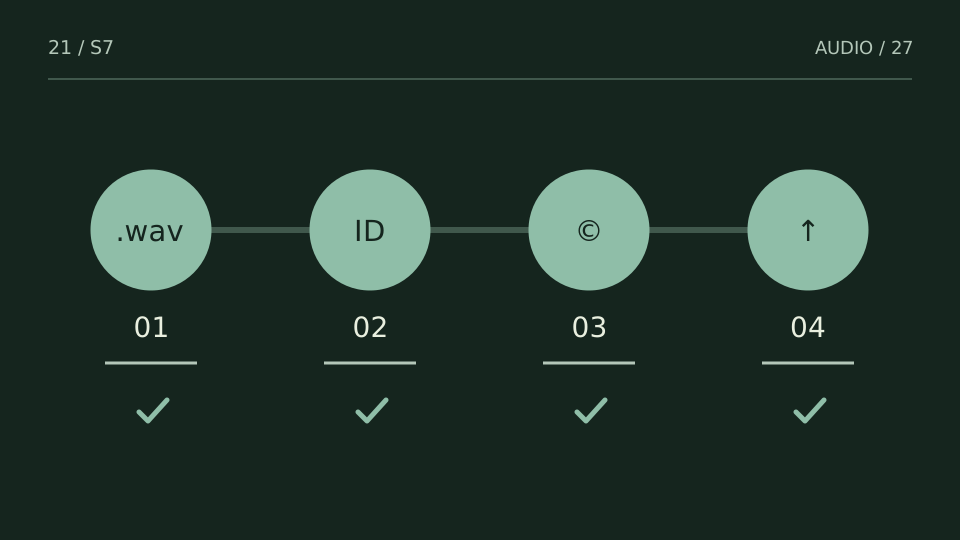
Treat release delivery as four separate checks: audio artifact, metadata, rights record and distributor status.
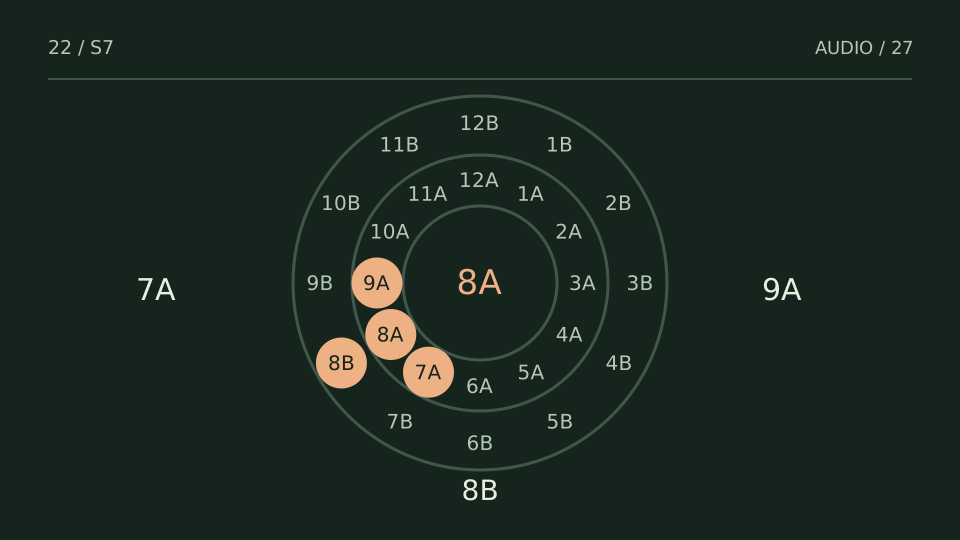
Key compatibility can reduce harmonic clashes, but phrasing, texture, tempo and artistic contrast still decide whether a transition works.
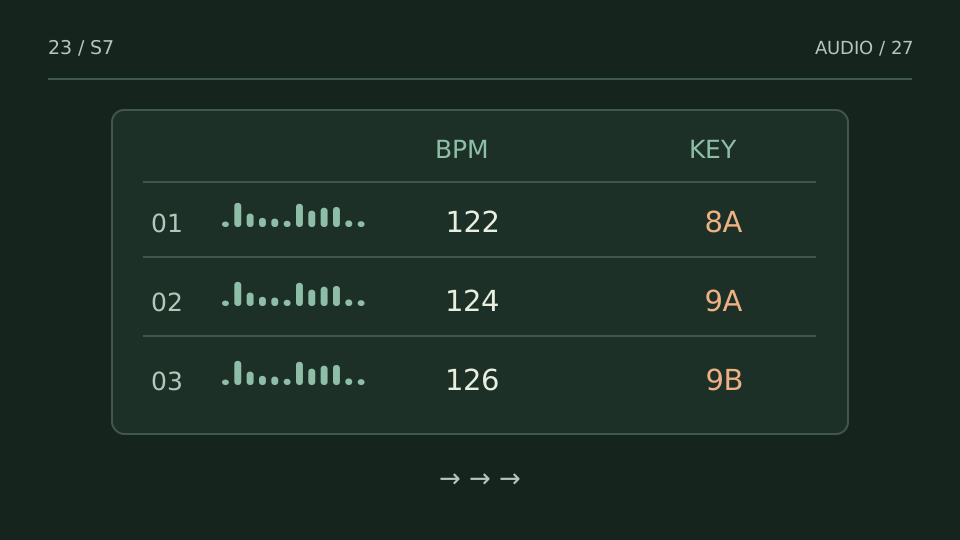
A useful set sheet records sequence, versions, cue notes and contingencies so performance does not depend on memory.
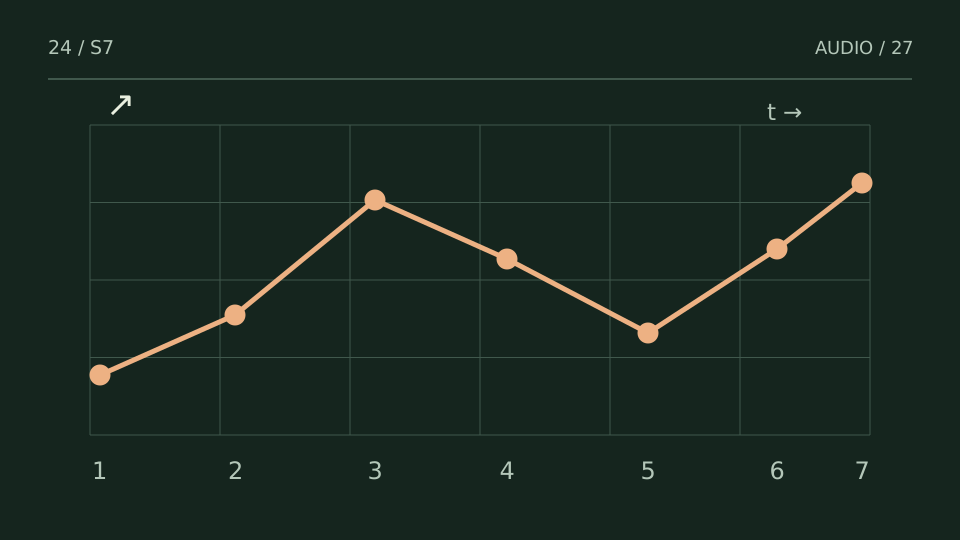
Energy is multi-dimensional: density, loudness, brightness, rhythm and familiarity can move independently.
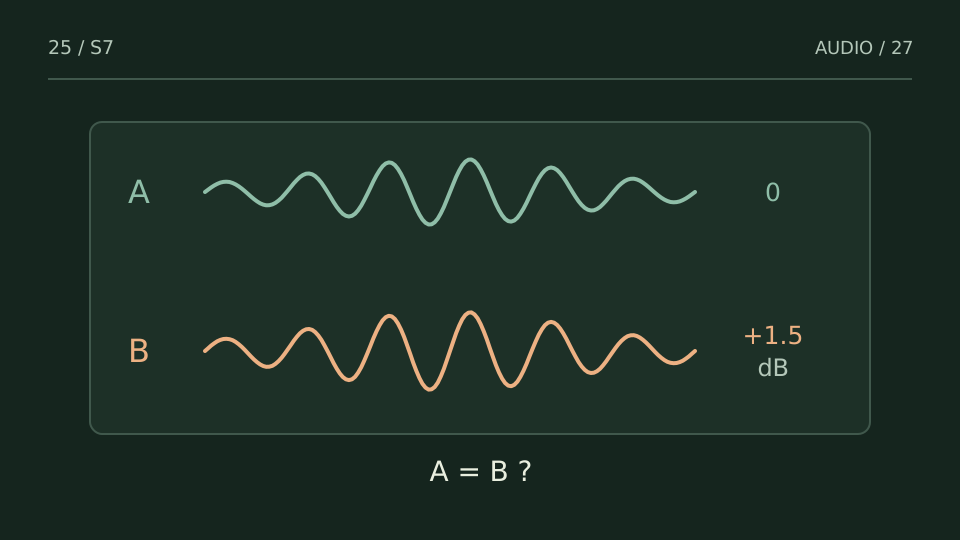
Two locally generated signals are identical except for gain. Choose first, reveal the level difference, then compare again matched.
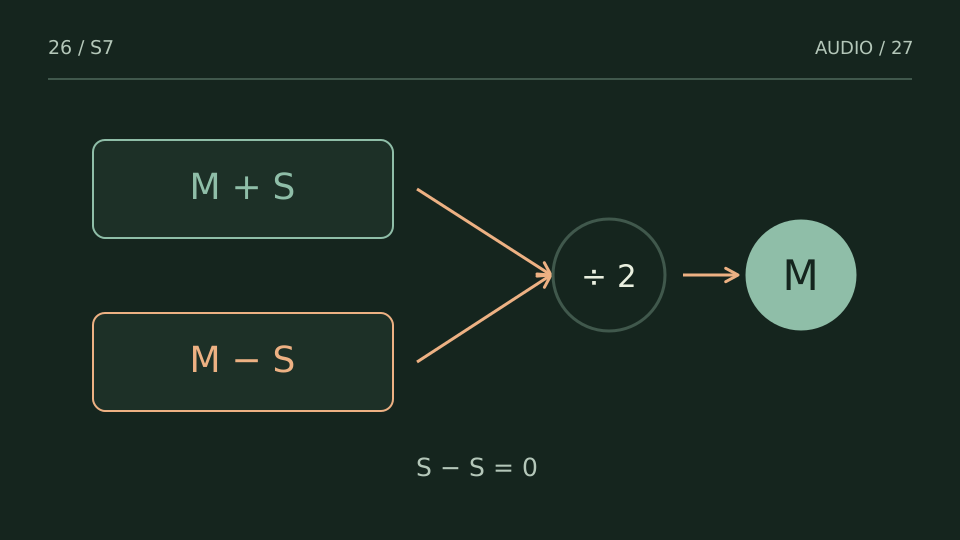
The browser generates a stereo harmonic signal whose channels differ in phase. Compare versions and hear what a correlation warning means.
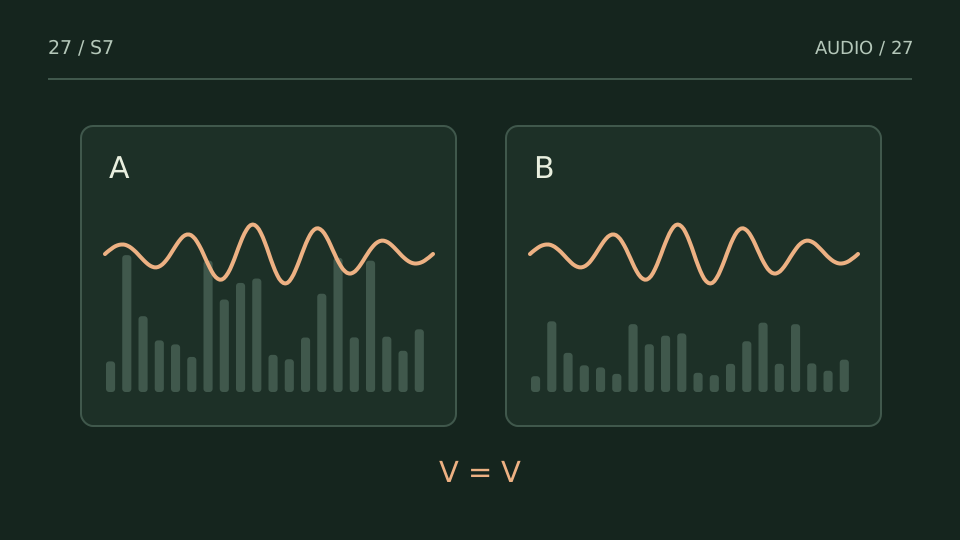
The browser generates a lead-like harmonic signal and competing energy. Compare overlap with a deliberately small opening.
No guides match this filter. Saved guides appear here after you save them on this browser.
Keep your session moving
These guides connect production experience with measurements and small, repeatable tests. You can save a guide in this browser, print its checklist or follow the next question without buying anything.
More reading from the studio →