The starting point
To keep chorus wide, manage the relationship between dry signal and effect. Restoring a centre foundation is often more useful than narrowing the whole mix.
A practice case
The piano moves, but its main note disappears
Practice case: chorus makes a piano expansive in stereo but weak in mono. Lower the wet mix—the proportion of effect—while retaining dry signal. If the main note returns, try less depth or a different modulation rate next.
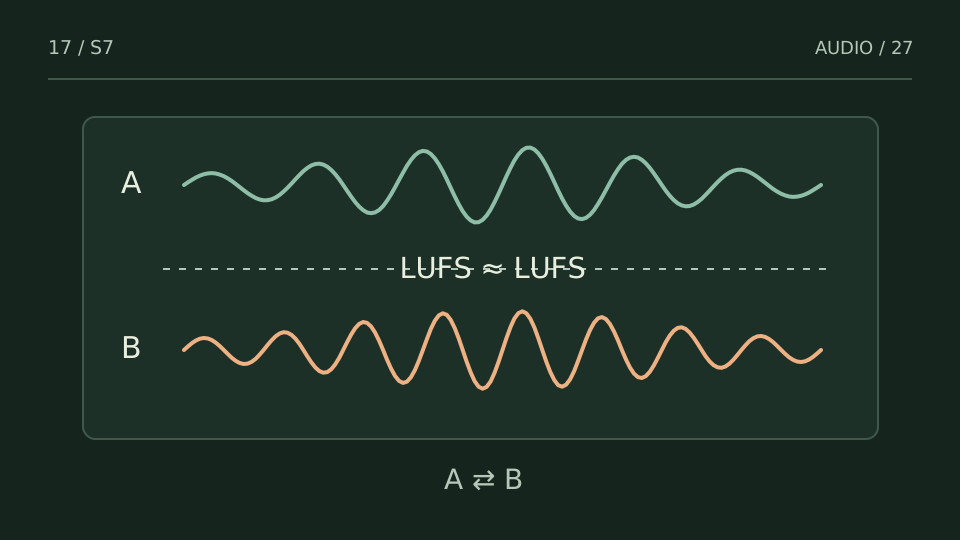
Check long chords and short attacks. A setting that works on a sustained tail can blur the start of a note. Keep a dry reference and compare at matched level. Mono does not have to sound equally wide; the piano still needs to perform its musical role.
Listening exercise · local audio
Hear the centre and the sides
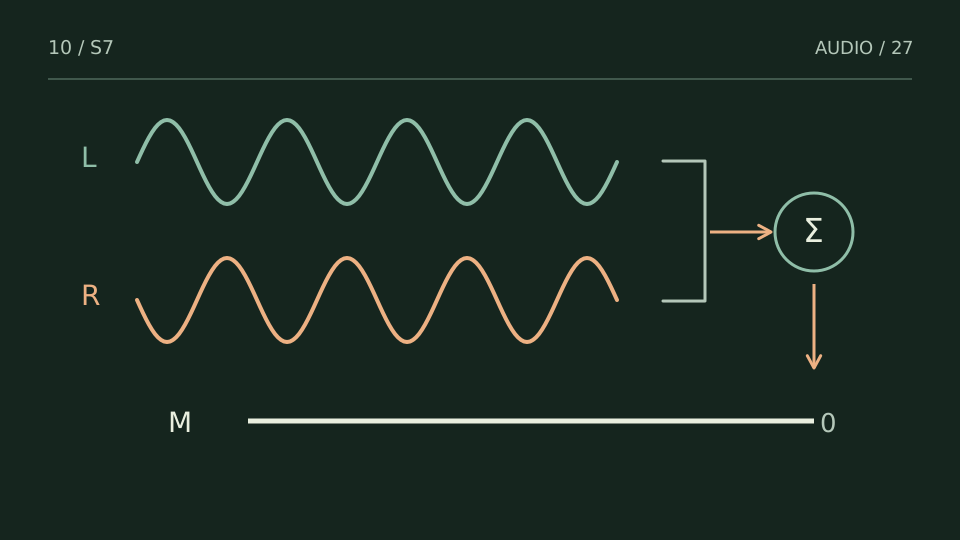
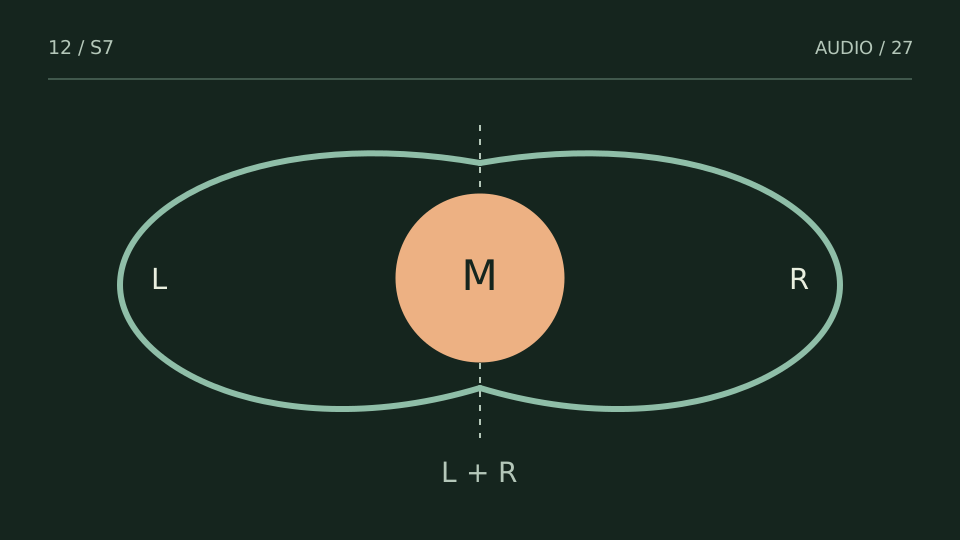
A: M+S left, M−S right. B: compensated mono sum; the side component cancels.
Use a moderate listening volume. Sound starts only when you press play.
Synthesized illustration, not a hearing test, a recording or a plugin demonstration.
Choose a test from what you hear
| You notice | Try this |
|---|---|
| The instrument loses its centre | Restore dry signal or reduce wet mix. |
| Attacks become blurred | Try less depth and review timing. |
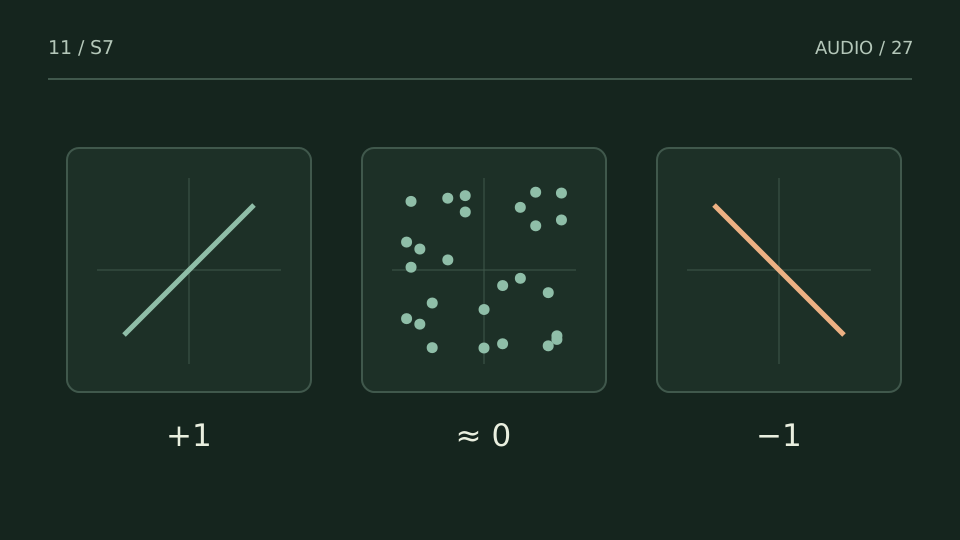
| Movement works and mono retains the part | Do not correct solely for correlation readings. |
Bring it into your session
One pass, with a clear objective
0 / 4
Checks stay on this page and are not sent anywhere.
When to stop
Notes and rhythm survive in mono while stereo movement adds interest without distraction.
Quick diagnosis and decision protocol
Check first
- Compare wet-only and full mix in mono.
- Watch low-frequency modulation separately from upper-band width.
- Check correlation during the densest section.
Then decide
- Keep the center anchor stable.
- Move more width to bands that tolerate it.
- Reduce modulation depth or opposing delay when mono loss is audible.
Measurement boundary
The right compromise is perceptual: width that adds value in stereo without removing essential information in mono.
Watch out for this: A mono-safe preset is not safe for every source because source phase relationships also matter.
Technical references
Documentation for the methods and product behaviour discussed. Practice cases are illustrative examples, not client case studies.
References reviewed:Try it with your own audio
Choose the free tool that fits your task. You do not need to buy a plugin to use the guide.
Open the free tools →