The starting point
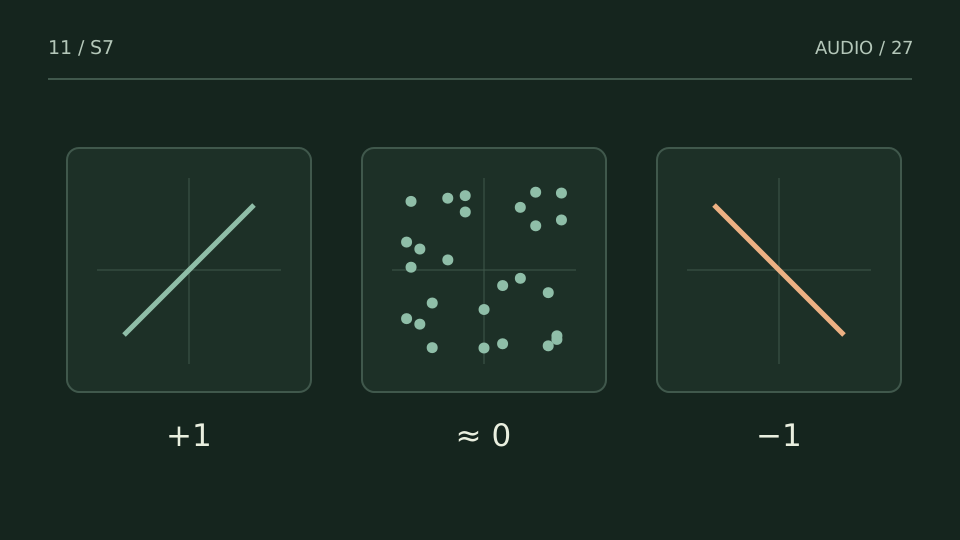
Correlation describes a relationship between channels; it does not identify the responsible instrument by itself. Watch while following a specific part and always check the mono sum.
A practice case
Reverb lowers the reading while the vocal stays intact
Practice case: a centred vocal has a wide stereo reverb. Correlation falls when only the tail remains, but the dry vocal stays clear in mono. Forcing the entire signal toward +1 could destroy a space that works musically.
If the reading falls exactly when a guitar loses its body in mono, you have two related observations. Isolate that guitar and compare its effects. Timing and context are more useful than a permanently green display.
Listening exercise · local audio
Hear the centre and the sides
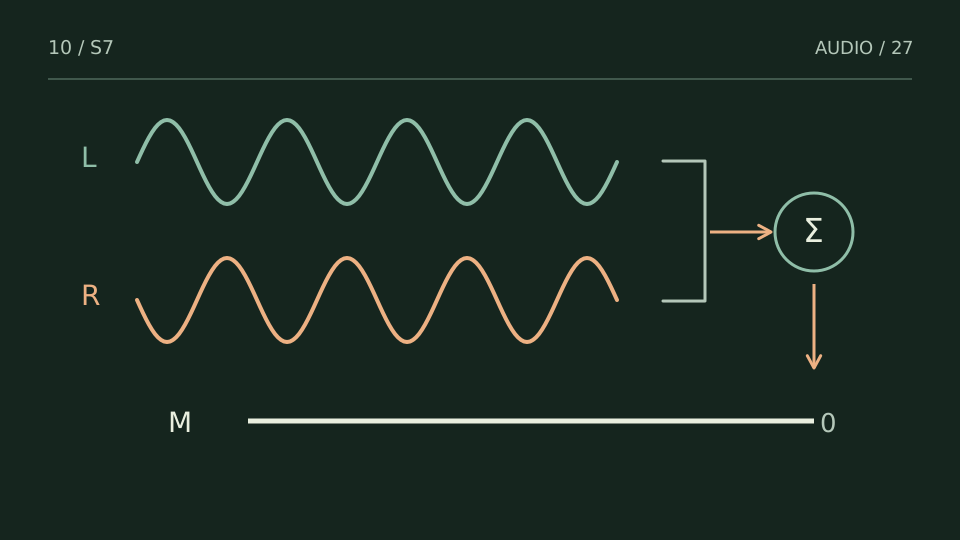
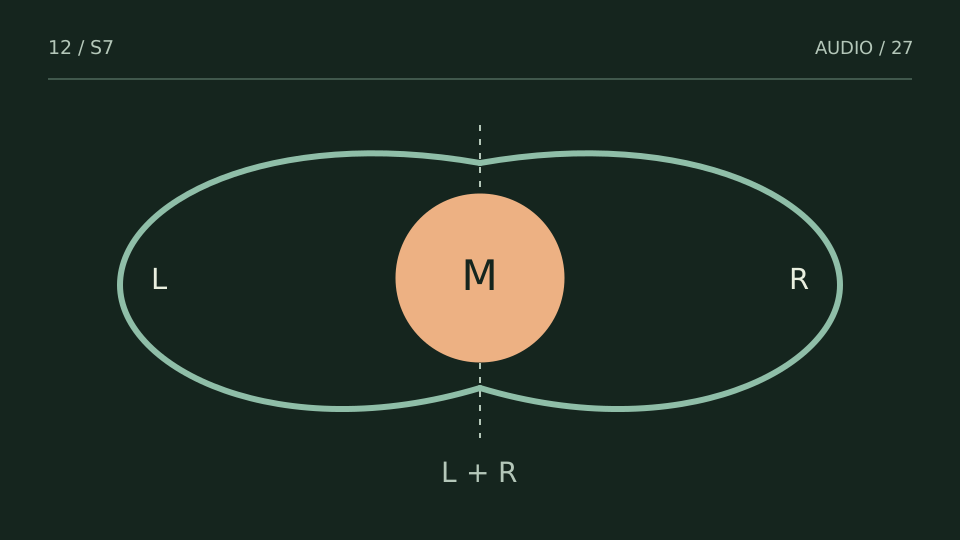
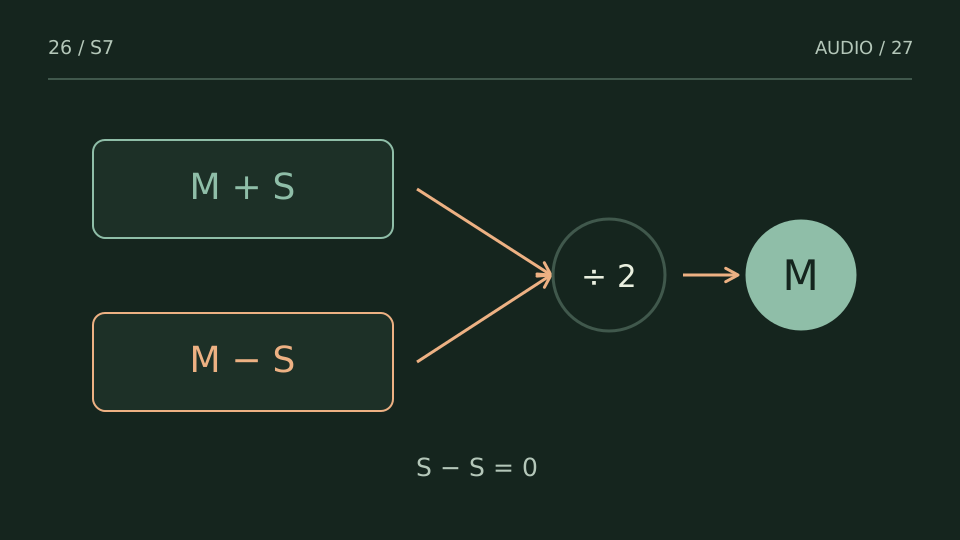
A: M+S left, M−S right. B: compensated mono sum; the side component cancels.
Use a moderate listening volume. Sound starts only when you press play.
Synthesized illustration, not a hearing test, a recording or a plugin demonstration.
Choose a test from what you hear
| You notice | Try this |
|---|---|
| The reading changes only in effect tails | Listen for loss of an essential element. |
| Audible loss and persistent negative readings coincide | Investigate the source and stereo processing. |
| Near +1 but the mix feels poor | Review balance and arrangement; correlation is not a quality score. |
Bring it into your session
One pass, with a clear objective
0 / 4
Checks stay on this page and are not sent anywhere.
When to stop
You can connect a reading to a specific audible change rather than mixing to keep the meter still.
Quick diagnosis and decision protocol
Check first
- Observe the meter across time, not one frozen value.
- Check the same section in mono.
- Bypass stereo processors one at a time to find the source that changes the reading.
Then decide
- Treat sustained negative correlation as a reason to inspect.
- Preserve intentional width when mono translation remains acceptable.
- Document before and after when a fix changes the image.
Measurement boundary
The meter cannot tell you whether a stereo effect is artistically useful.
Watch out for this: Narrowing every source until the meter looks safe can erase the arrangement's spatial design.
Technical references
Documentation for the methods and product behaviour discussed. Practice cases are illustrative examples, not client case studies.
References reviewed:Try it with your own audio
Choose the free tool that fits your task. You do not need to buy a plugin to use the guide.
Open the free tools →