The starting point
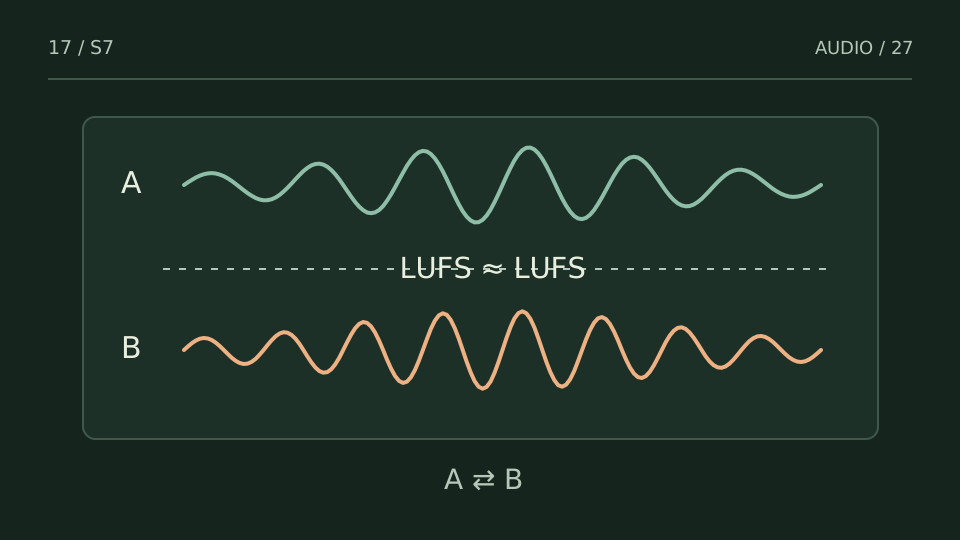
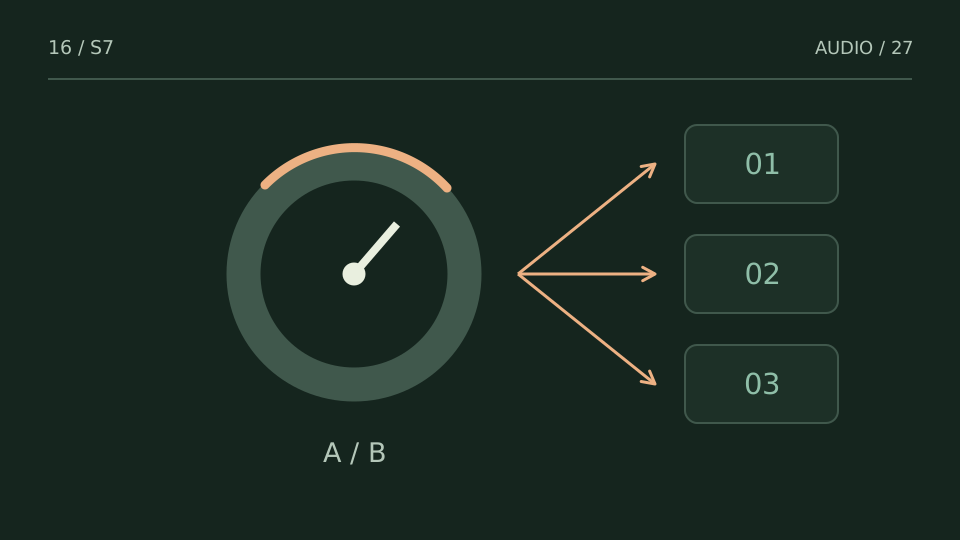
Compare A and B before inspecting the difference. Then match level and repeat. This exercise isolates gain: there is no hidden compressor or higher-quality version.
A practice case
A preference that changes with level matching
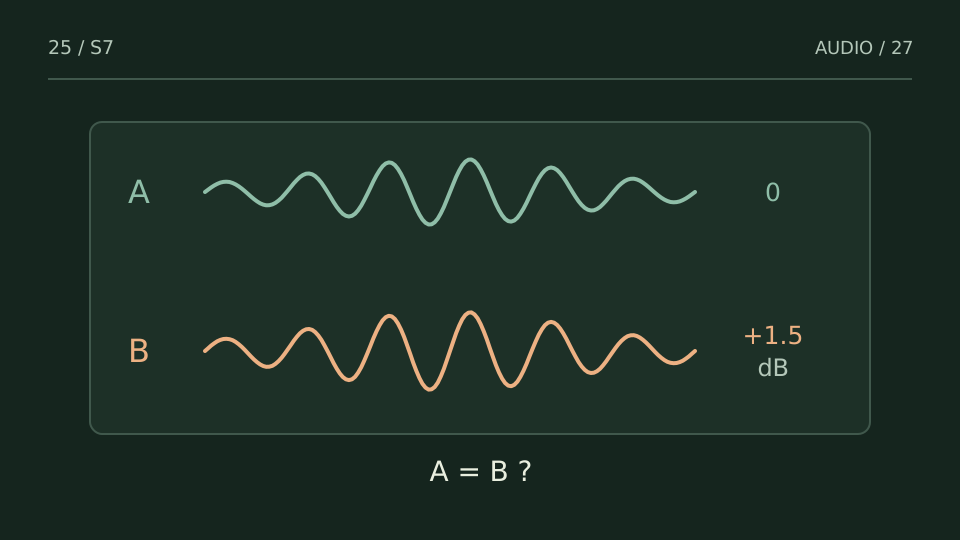
This signal is generated in your browser. A and B share notes, envelope and duration. Initially B has 1.5 dB more gain. Decide which feels clearer, fuller or more pleasant, then enable Match level.
Alternate again. If your preference changes or the difference disappears, note the observation. Hearing no difference initially is also possible: listening level, equipment and attention affect the experience. This is not a hearing exam.
Listening exercise · local audio
Which one do you prefer? Now match the level.
A and B share the same signal. B starts 1.5 dB louder. After matching, they are identical.
Use a moderate listening volume. Sound starts only when you press play.
Synthesized illustration, not a hearing test, a recording or a plugin demonstration.
Bring the control into an actual session
Choose a process you are evaluating in a mix. Repeat the same passage and compensate its output. A real plugin may change dynamics, spectrum and envelope, so the signals will not become identical. That is the point of the exercise: remove the global level advantage first, then decide whether the remaining changes help.
Choose a test from what you hear
| You notice | Try this |
|---|---|
| One version wins only before matching | Gain difference influenced that choice. |
| No difference remains when matched | Both signals in this exercise are now identical. |
| You want to test a plugin this way | Compare the same passage and compensate output. |
Bring it into your session
One pass, with a clear objective
0 / 4
Checks stay on this page and are not sent anywhere.
When to stop
You know which variable changed and can carry that control into a real A/B without confusing loudness and quality.
Quick diagnosis and decision protocol
Check first
- Use the same playback device for A and B.
- Switch quickly.
- Make the first choice before revealing which is louder.
Then decide
- Reveal the gain offset.
- Enable matched mode.
- Notice whether the preference survives.
Measurement boundary
This exercise isolates a gain difference; it does not assess your hearing or model an entire mastering decision.
Watch out for this: Listening very loud makes short comparisons less reliable and less safe.
Technical references
Documentation for the methods and product behaviour discussed. Practice cases are illustrative examples, not client case studies.
References reviewed:Try it with your own audio
Choose the free tool that fits your task. You do not need to buy a plugin to use the guide.
Open the free tools →