The starting point
Create space where and when the conflict occurs. If muting one guitar makes the vocal clear, you do not need to start by lowering the entire backing track.
A practice case
A guitar that works alone but covers the phrase
Practice case: a rhythm guitar adds energy, but its attacks coincide with vocal consonants. First try guitar level automation during that phrase. If clarity returns and the guitar keeps its role, that may be enough.
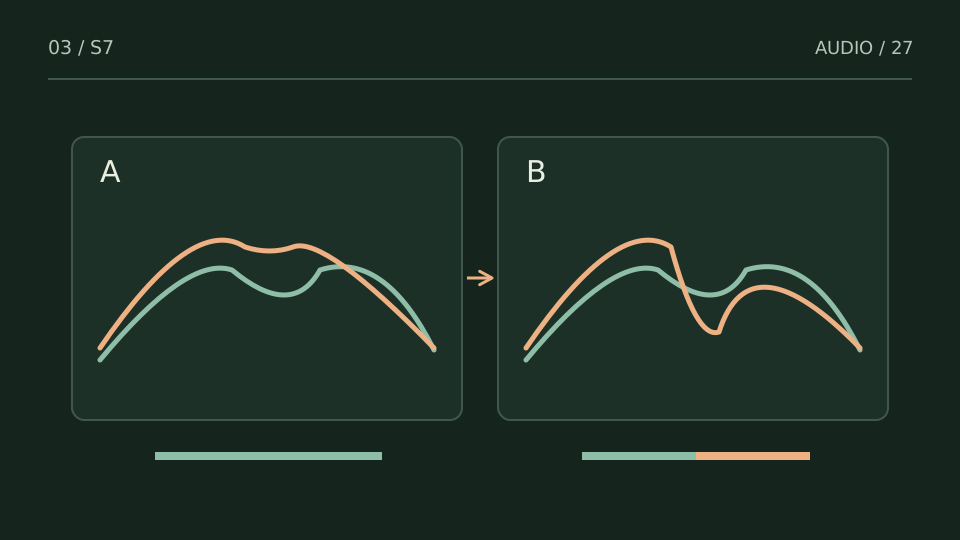
If lowering the whole guitar makes it too distant, find a specific competing range. Compare a small static cut with a dynamic reduction active during the vocal. Between phrases, the dynamic version should let the guitar recover its tone. Listen to the reduction’s entrance and recovery too; obvious breathing suggests excessive depth or unsuitable timing.
Listening exercise · local audio
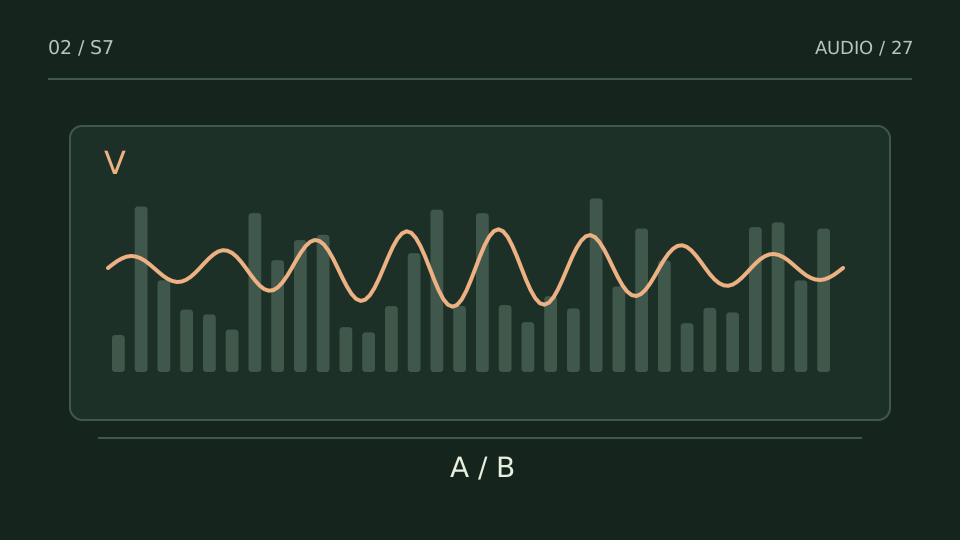
Follow the melody, then the background
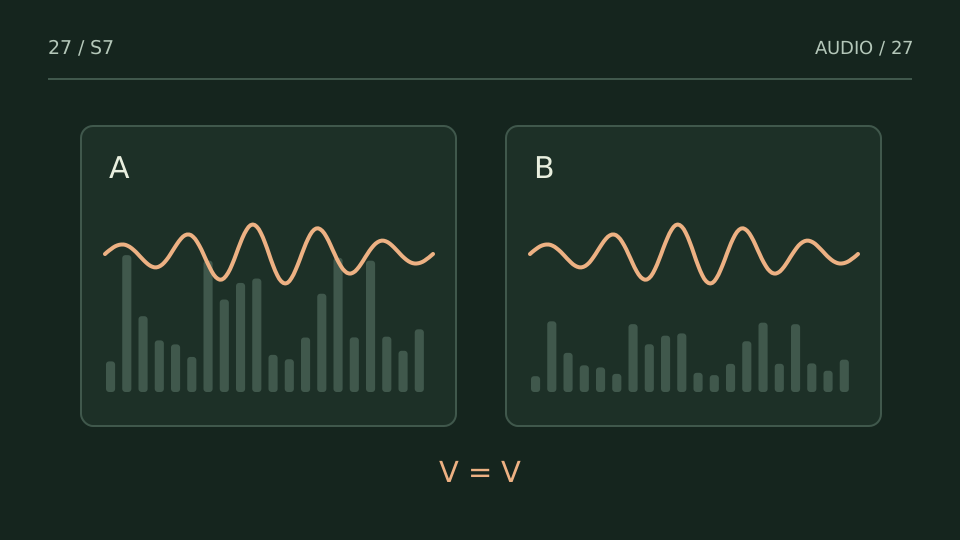
B reduces the competing background; the lead keeps the same gain. Overall level is not matched.
Use a moderate listening volume. Sound starts only when you press play.
Synthesized illustration, not a hearing test, a recording or a plugin demonstration.
Arrangement is also a mixing tool
A register change, one fewer note or an instrumental response between phrases can create space without EQ. Before processing, ask whether both parts need that exact position at the same time. Mixing does not have to repair a conflict that can be solved musically.
Choose a test from what you hear
| You notice | Try this |
|---|---|
| Conflict throughout the section | Review arrangement, register and balance. |
| Conflict only while singing | Try automation or dynamic EQ. |
| The instrument becomes hollow | Reduce depth or narrow the affected range. |
Bring it into your session
One pass, with a clear objective
0 / 4
Checks stay on this page and are not sent anywhere.
When to stop
The word becomes clear without an obvious hole in the backing.
Quick diagnosis and decision protocol
Check first
- Level-match before EQ decisions.
- Solo the vocal only to identify harshness; make space while listening in context.
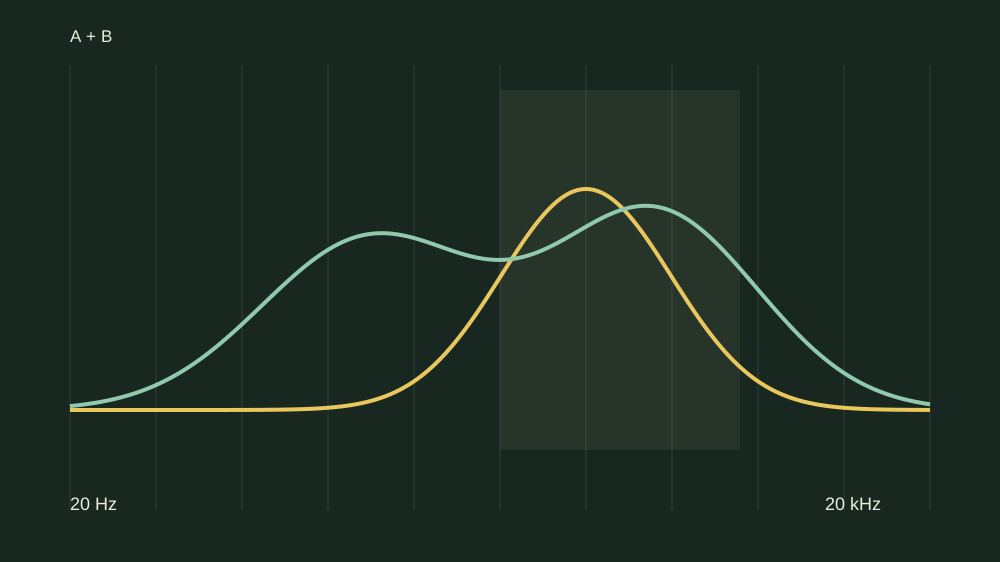
- Check 150 Hz-4 kHz first, then widen only if the conflict extends.
Then decide
- Prefer narrow or dynamic reductions on the competing source.
- Automate only phrases that need room.
- Re-check in mono and at low monitor level.
Measurement boundary
A spectrum can show overlap; it cannot prove perceptual masking by itself.
Watch out for this: A permanent wide scoop can weaken the backing track whenever the vocal is absent.
Technical references
Documentation for the methods and product behaviour discussed. Practice cases are illustrative examples, not client case studies.
References reviewed:Try it with your own audio
Choose the free tool that fits your task. You do not need to buy a plugin to use the guide.
Open the free tools →