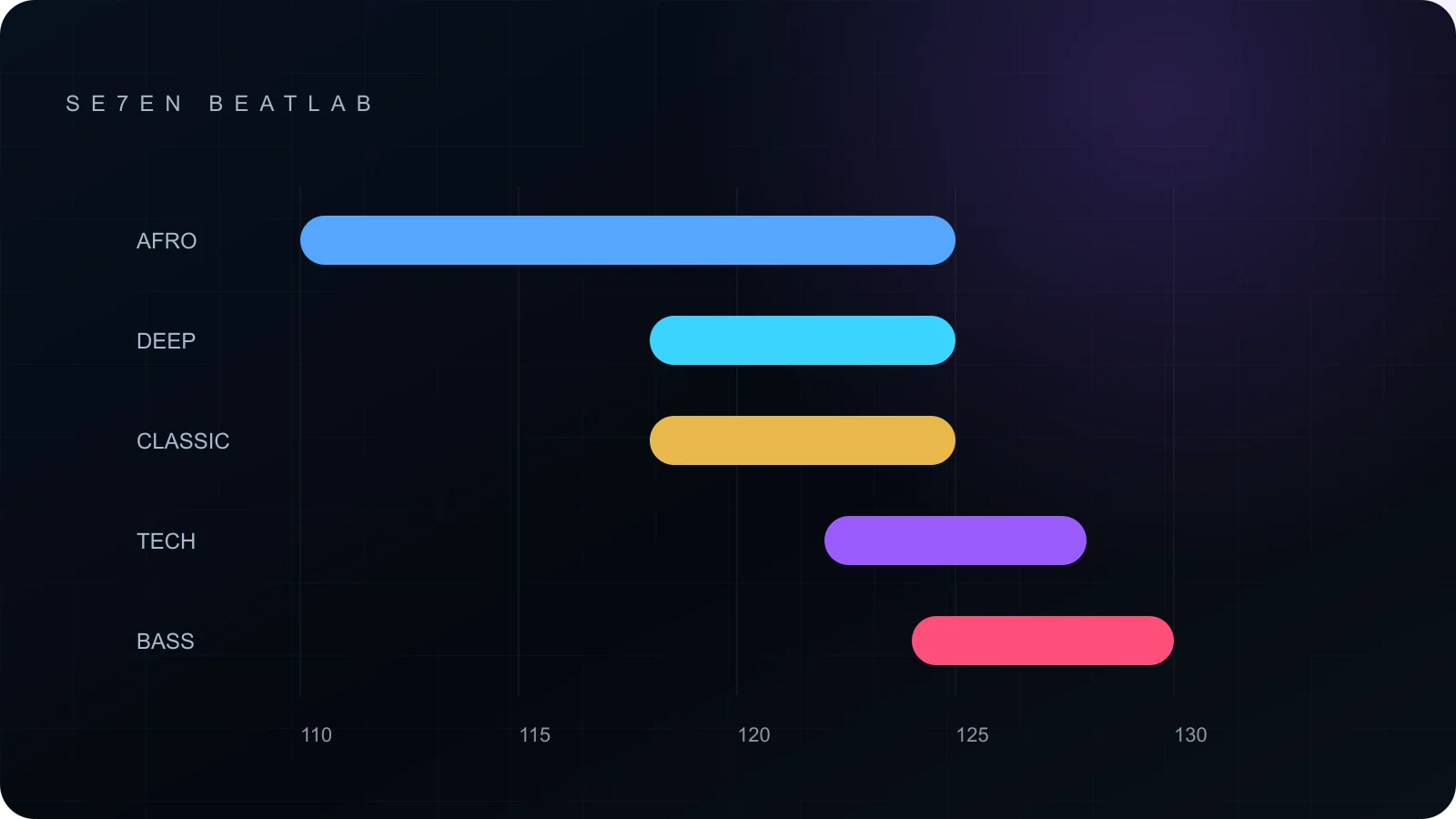
Most house music lands somewhere around 118–130 BPM, but the useful answer is narrower: choose a tempo that supports the groove, vocal density and DJ context of the subgenre you are actually making. A BPM label cannot settle that decision by itself.
Working ranges, not borders
| Style | Useful starting range |
|---|---|
| Classic / Chicago house | 118–125 BPM |
| Deep / soulful house | 118–125 BPM |
| Tech house | 122–128 BPM |
| Progressive house | 122–128 BPM |
| Afro house | 110–125 BPM |
| Bass / electro house | 124–130 BPM |
These ranges overlap because genre is also rhythm, sound choice, arrangement and scene. A 124 BPM file does not become tech house because of the number.
The table is an editorial guide, not a statistical census. Use it to narrow the first test, then verify against dated references from the exact scene or label you are targeting. Regional styles and release periods can move the centre of a range.
How to choose the tempo
- Pick three current references. Prefer tracks that share the groove and intended context, not just the broad genre label.
- Test a small range. Try the idea two BPM slower and two BPM faster. Listen to the kick-bass relationship, swing and vocal phrasing.
- Check eight-bar movement. Faster is not automatically more energetic; note density and arrangement create momentum too.
- Think about mixing context. If the track is intended for DJs, a tempo near the surrounding set reduces the amount of warping required. It is still a creative choice, not a rule.
Half-time and double-time mistakes
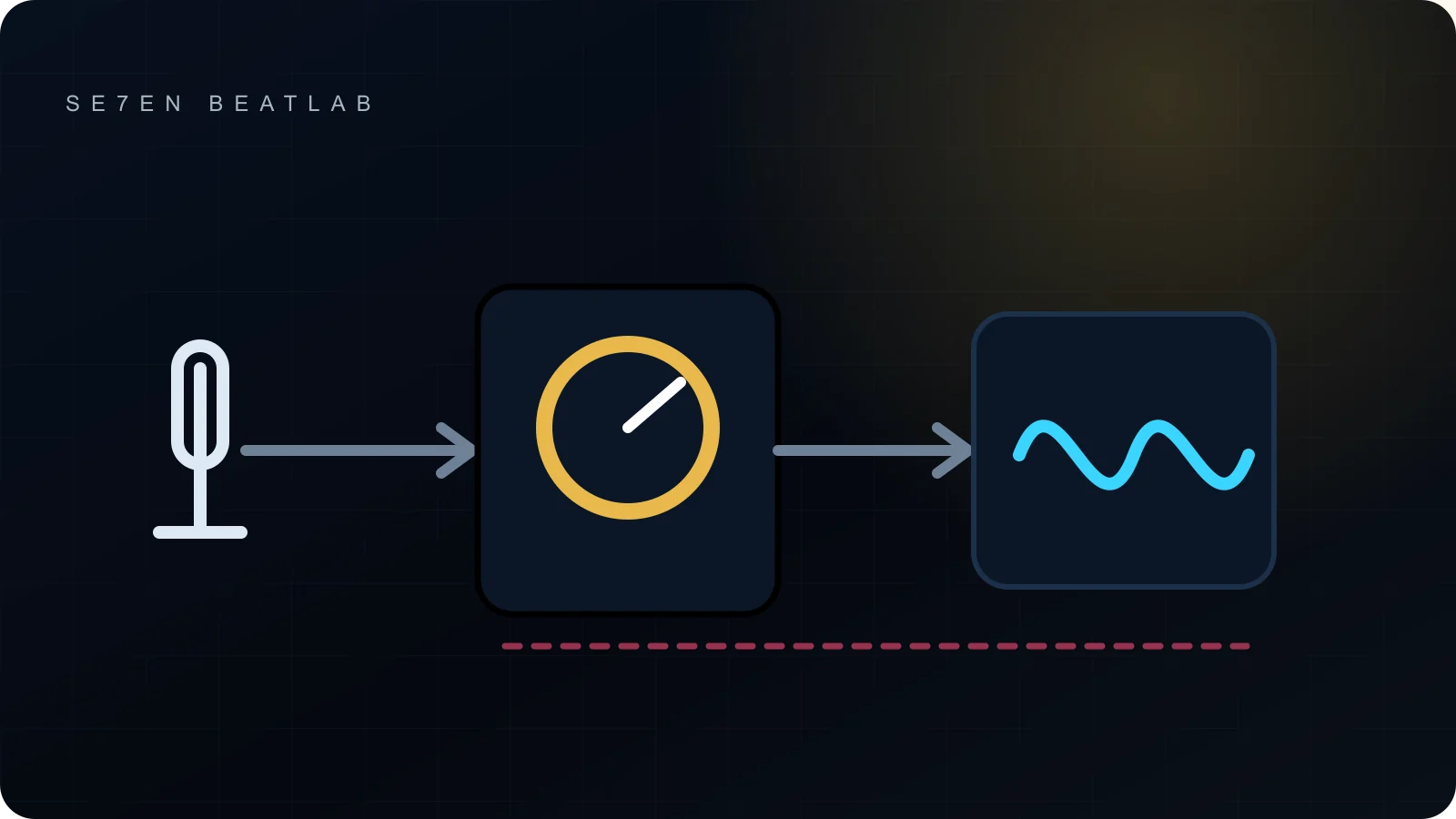
Tempo detectors may report 62 BPM for a 124 BPM house track or 248 BPM for the same pulse. Before correcting the number, count quarter notes against the kick pattern and watch where the musical phrase repeats. The “right” display value is the one that makes bars, delays and grid editing line up with the arrangement.
Audio loops and tempo changes
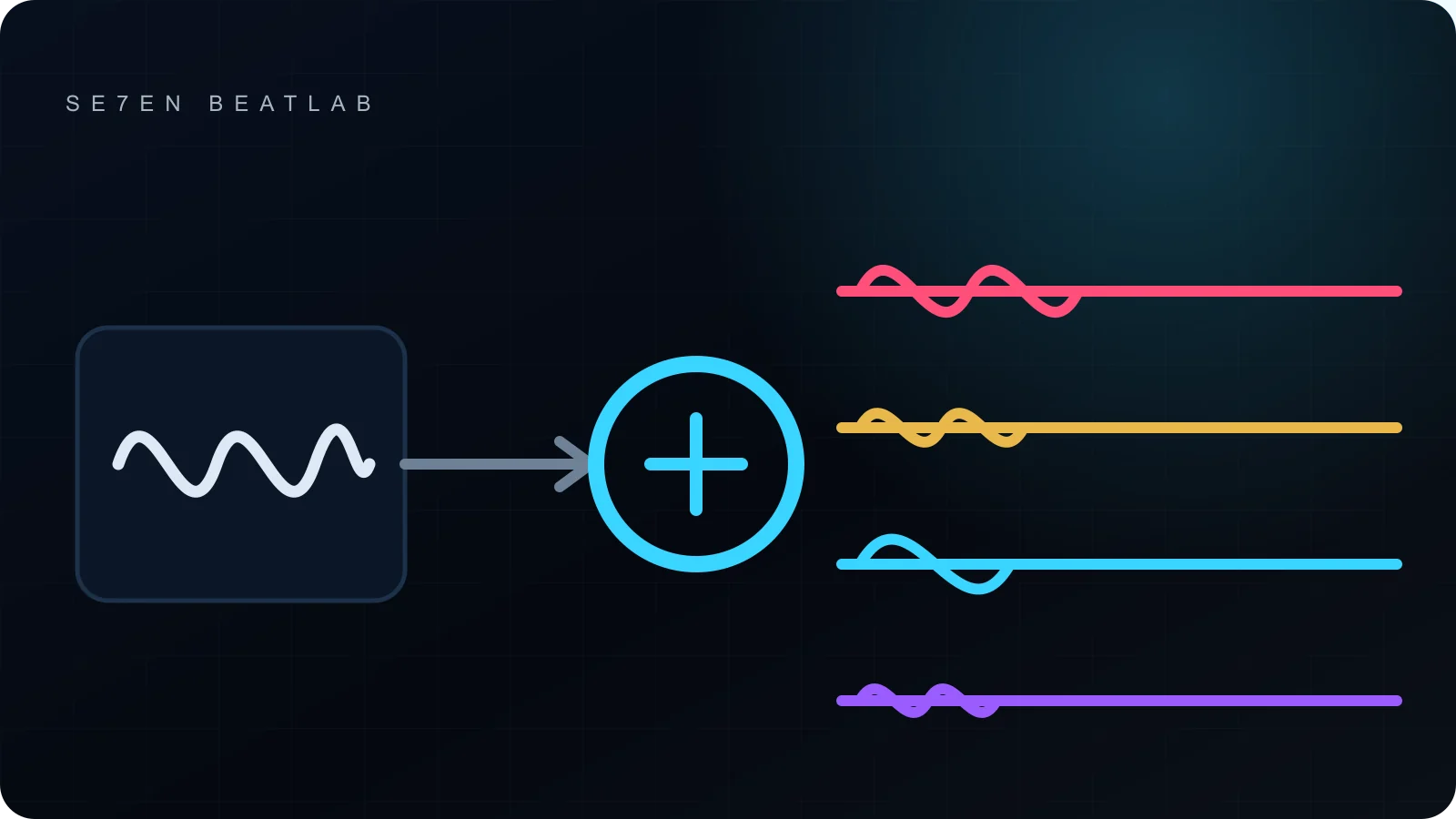
If the idea began from a loop, confirm its original tempo before stretching it. Large tempo changes can alter transients and groove, especially on full mixes. Test the warp mode, listen to cymbals and bass attacks, and compare against the unstretched file. A two-BPM experiment is usually more informative than jumping from 120 to 128 and rebuilding the feel around the artifact.
A hypothetical choice
Suppose a vocal-house idea at 126 BPM makes every lyric feel rushed. At 122 BPM the phrasing opens up but the drop loses motion. Before splitting the difference, try keeping 122 and increasing rhythmic movement with percussion or shorter bass notes. Tempo and note density can trade energy; they do not need to move together.
Common mistakes
- Leaving the DAW default untouched and treating it as a decision.
- Changing tempo after detailed audio editing without checking artifacts.
- Using a “sweet spot” table as proof of genre.
- Increasing BPM to solve an arrangement that lacks contrast.
Tempo decision checklist
- Three references share the intended groove, not only the word “house.”
- The detector result has been checked for half/double-time.
- Vocals and long notes breathe at the chosen tempo.
- Warped audio remains clean.
- An eight- or sixteen-bar section carries energy without relying on speed alone.
Once the groove works, document the chosen tempo and test the transition into two references. The right BPM is the one that makes the musical idea behave as intended.