
BPM by genre
UK Drill
Curated by se7en beatlab · updated September 2026
Hip-Hop · 3 subgenres mapped
Range: 135–148 BPM
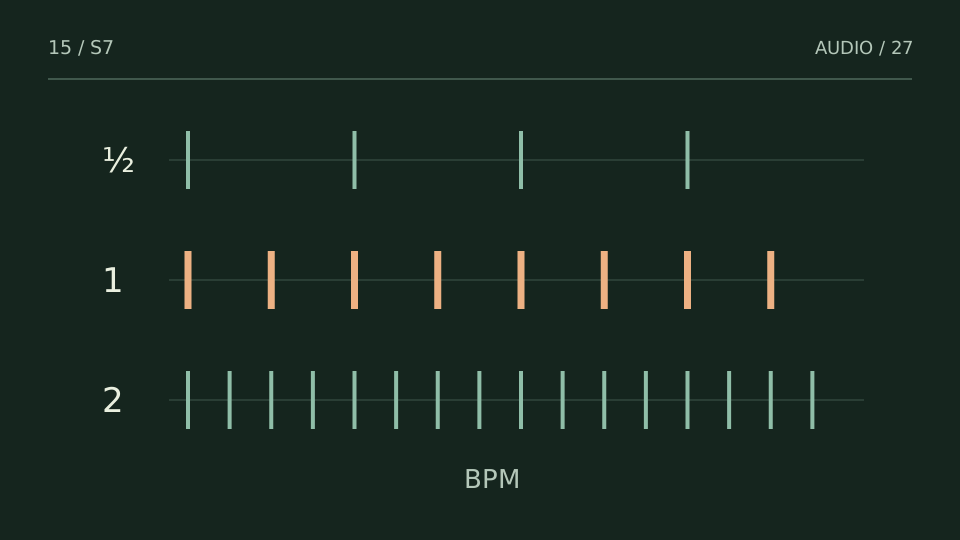
UK drill locks tight around 140–142 BPM — 141 is the classic sweet spot — inside a narrow 135–148 window. The head nods at half-time (~70), which is why detectors often read it as 70/71. What separates it from US drill and trap is the bounce: syncopated, off-beat percussion with that unmistakable sliding 808.
What are you doing with this tempo?
Subgenres
| Subgenre | Typical | Range |
|---|---|---|
| Classic UK drill | 141 | 138–144 |
| Melodic / afro-drill | 140 | 135–145 |
| NY drill (UK-influenced) | 142 | 138–148 |
Typical structure
Short intro (4–8 bars) → hook → verse 1 (16) → hook → verse 2 (16) → hook/outro. Around 2:30–3:00, hook-first structures are common.
Production notes
Program drums around the drill bounce: kicks avoiding the obvious downbeats, snare or rim on the 3, and hats mixing triplets with straight sixteenths. The sliding 808 is the genre's signature — write the glides as part of the bassline melody, not decoration. Keep melodic elements dark and sparse (minor keys, plucks, eerie pads), leave space for the vocal cadence, and don't over-quantize the percussion: the slightly late rim hits ARE the groove.
Related genres
More in this family
FAQ
How many BPM is UK drill?
Is UK drill 70 or 140 BPM?
What makes UK drill different from trap?
Planning a UK Drill set? → DJ set planner (BPM, key & Camelot, printable)
Release notes
Get software and plugin release news
Music Catalog, plugin releases and useful studio notes. Subscribe for availability and updates.
By subscribing, you agree to receive release news. Privacy policy