
BPM by genre
Grime
Curated by se7en beatlab · updated September 2026
Urban · 2 subgenres mapped
Range: 138–142 BPM
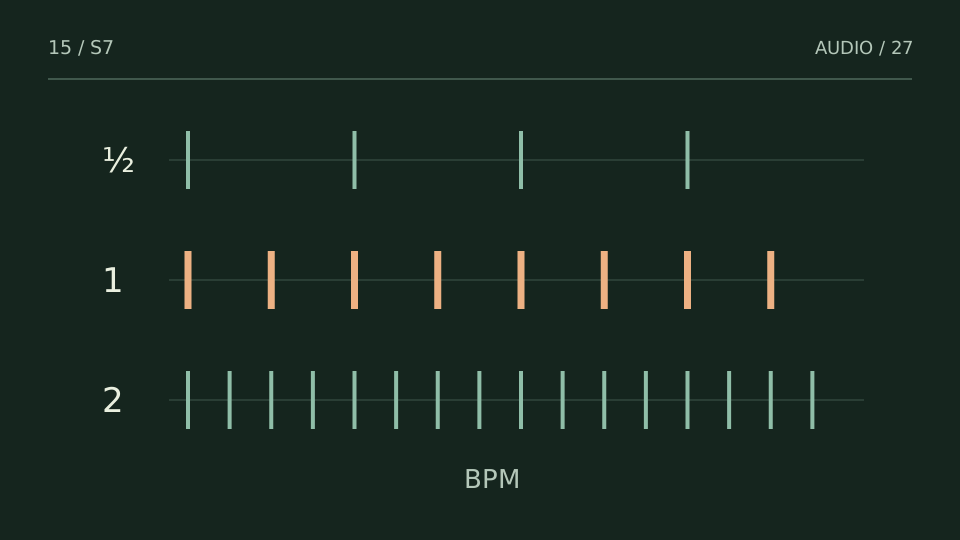
Grime is locked to a tight pocket: the genre runs at 140 BPM, with tracks rarely straying outside 138–142 BPM. That tempo is the DNA of the sound, fast enough for double-time MCs but rooted in a half-time swing that gives the beat its menace.
What are you doing with this tempo?
Typical structure
Most grime instrumentals are loop-based and built for radio sets or clashes, cycling 8 or 16-bar sections with a stripped intro, a main riddim, and dropouts that strip back to drums and bass so MCs can reload and switch flow.
Subgenres
| Subgenre | Typical | Range |
|---|---|---|
| Classic grime | 140 | 139–141 |
| Eskibeat / instrumental | 140 | 138–142 |
Production notes
Build the drums around 140 BPM but let the kick and snare breathe in half-time (the backbeat hits like a 70 BPM beat), so the syncopated hats and stabs ride the full grid on top. Grime bass is its signature: a square or sine sub played as a hard, riff-like sequence, often detuned or with a fast portamento glide between notes rather than long sustained tones. Keep the palette cold and digital, eski-style synth stabs, string hits, gunshot or sword-clash FX, and tight 8-bit textures cut against the sub. Leave deliberate space in the arrangement so the MC has room; grime instrumentals are sparse on purpose, and overcrowding the mix kills the bounce.
Related genres
More in this family
FAQ
What tempo does grime sit at?
Is grime the same tempo as dubstep?
Why does grime feel faster than 140 BPM?
Building a set in this genre? → DJ set planner (BPM, key & Camelot, printable)
Release notes
Get software and plugin release news
Music Catalog, plugin releases and useful studio notes. Subscribe for availability and updates.
By subscribing, you agree to receive release news. Privacy policy