
BPM by genre
Dubstep
Curated by se7en beatlab · updated September 2026
Electronic · 2 subgenres mapped
Range: 138–142 BPM
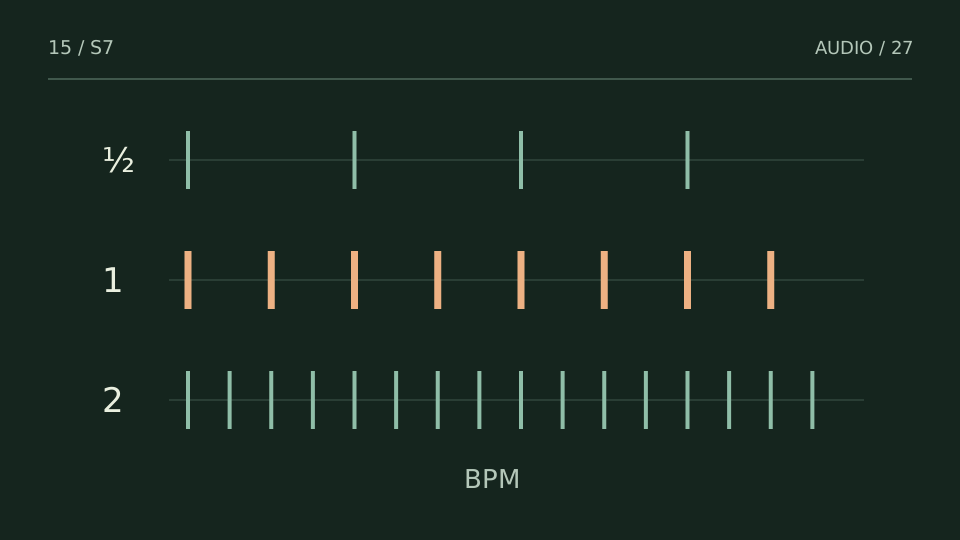
Dubstep is anchored to 140 BPM, with nearly every track sitting in a narrow 138-142 BPM band. Though the project tempo reads 140, the genre is felt in half-time around 70 BPM, because the snare lands on beat 3 rather than on every backbeat. That half-time pulse is the whole identity of the sound, more than the raw number on the transport.
What are you doing with this tempo?
Typical structure
Tracks follow an intro, a build that ramps tension, then a drop at the 140 BPM half-time groove, typically running two drops separated by a breakdown. Eight- and sixteen-bar phrasing keeps the build-and-release cycle predictable for DJs.
Subgenres
| Subgenre | Typical | Range |
|---|---|---|
| Brostep | 140 | 138–142 |
| Riddim | 140 | 138–142 |
Production notes
Set your DAW to 140 BPM but program the groove in half-time: kick on beat 1, the big snare or clap on beat 3, and let the space between them breathe. The bass is the lead instrument here, so design wobbles and growls in dedicated sound design (Serum/Massive FMP, LFOs synced to 1/4, 1/2 and dotted-1/8 rates) and reserve melody for intros and breakdowns. Keep the low end mono below roughly 120 Hz and carve room with sidechain so the sub and kick never fight. For Brostep, push the mids hard with aggressive, screechy growls and heavy processing; for Riddim, strip it back to a tight, repetitive, triplet-leaning bass pattern and let the groove hypnotize.
Related genres
More in this family
FAQ
What BPM range does dubstep use?
Why does dubstep feel slower than 140 BPM?
What is the difference between Brostep and Riddim?
Sequencing Dubstep tracks? → DJ set planner (BPM, key & Camelot, printable)
Release notes
Get software and plugin release news
Music Catalog, plugin releases and useful studio notes. Subscribe for availability and updates.
By subscribing, you agree to receive release news. Privacy policy