
BPM by genre
Future Bass
Curated by se7en beatlab · updated September 2026
Electronic · 2 subgenres mapped
Range: 140–160 BPM
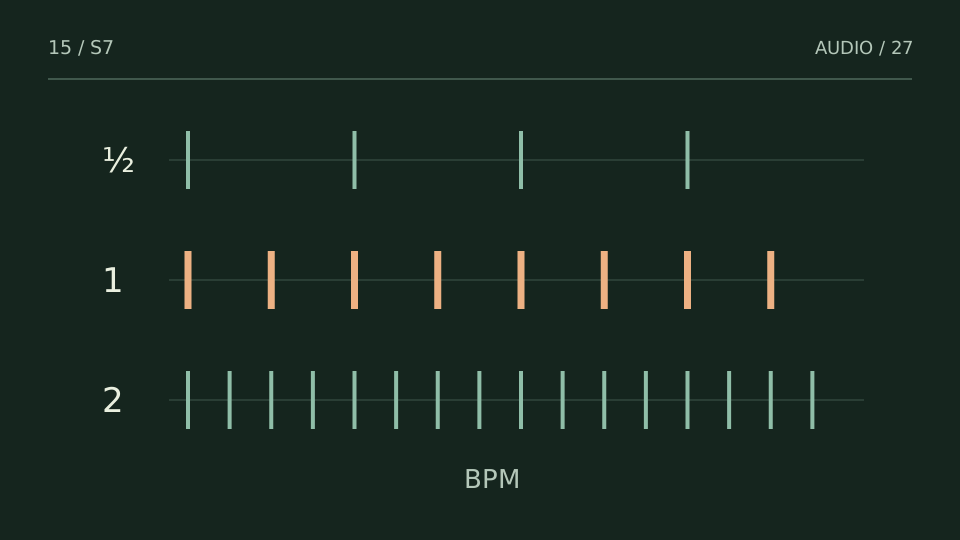
Future bass typically sits at 150 BPM, with most tracks falling in the 140–160 BPM window. The trick is that it's almost always written and felt in half-time around 75 BPM, so the snare lands on beat 3 and the groove breathes even though the project tempo reads 150.
What are you doing with this tempo?
Subgenres
| Subgenre | Typical | Range |
|---|---|---|
| Melodic future bass | 150 | 148–152 |
| Kawaii future bass | 155 | 150–160 |
Production notes
Set the project to 150 BPM but program drums in half-time: kick on 1, snare or clap on the perceived backbeat (beat 3), and let hi-hats fill the space with rolls and triplets for momentum. The signature sound is the supersaw or detuned synth chord run through heavy LFO-driven volume and filter modulation, so the drop pulses and 'talks' — sidechain everything to the kick to lock that pump. Pitch your lead chords wide with detune and use a vocal chop as the main hook riding the same rhythm as the synth stabs. Keep the low end simple: a clean sub under the kick is enough at this tempo, since the modulated mids and highs carry the energy. For kawaii future bass push toward 155 BPM with brighter, plucky tones, music-box bells, and faster vocal chops; melodic future bass stays nearer 150 and leans on emotive chord progressions.
Typical structure
Most future bass tracks follow intro, build, drop, breakdown, second build, second drop, then outro — with the first drop arriving fast and the melodic hook stated up front. Builds rely on risers, snare rolls, and filter sweeps to telegraph each drop.
FAQ
How fast is future bass, in BPM?
Why does future bass feel slower than its BPM?
What is the difference between melodic and kawaii future bass?
Related genres
More in this family
Planning a Future Bass set? → DJ set planner (BPM, key & Camelot, printable)
Release notes
Get software and plugin release news
Music Catalog, plugin releases and useful studio notes. Subscribe for availability and updates.
By subscribing, you agree to receive release news. Privacy policy