
BPM by genre
Drill
Curated by se7en beatlab · updated September 2026
Urban · 2 subgenres mapped
Range: 138–145 BPM
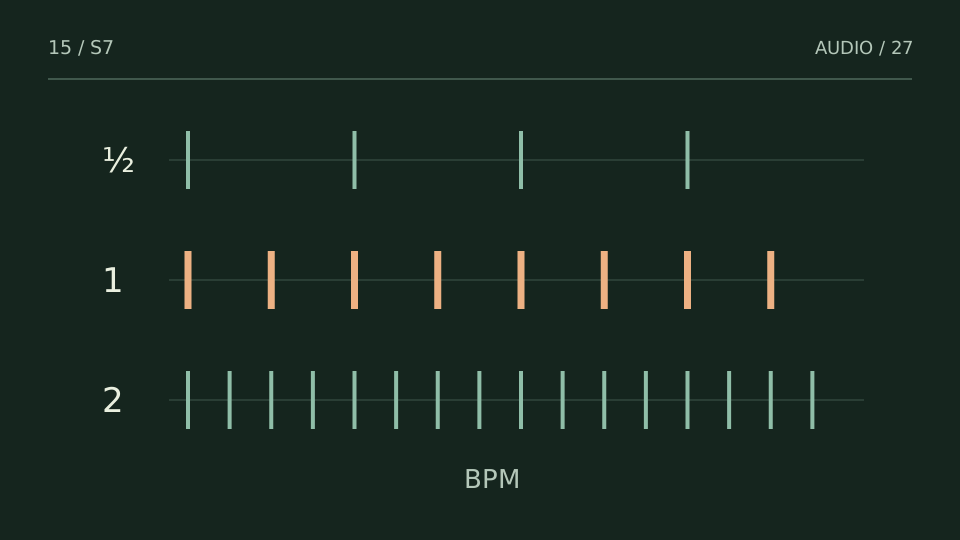
Drill lives in a narrow tempo pocket: most tracks land between 138 and 145 BPM, with 142 BPM as the typical center. UK drill tends to hover around 141 BPM, while NY / Brooklyn drill pushes a touch faster, usually landing at 142. Even though it counts fast, the genre is written and felt in half-time, so the groove reads slower than the number suggests.
What are you doing with this tempo?
Subgenres
| Subgenre | Typical | Range |
|---|---|---|
| UK drill | 141 | 138–145 |
| NY / Brooklyn drill | 142 | 140–145 |
Typical structure
Most drill tracks run intro, then alternating 16-bar verses and shorter hooks, typically 8 bars, often with a beat switch around the two-thirds mark to reset the energy. Total length usually stays tight at two to three minutes to match streaming attention spans.
Production notes
Program your drums at the full 142 BPM but arrange around the half-time feel (~71 BPM): kick and snare hit on the 1 and the 3, leaving wide space for the signature sliding 808s. Those gliding 808 basslines are the identity of drill, so tune them to the key, use portamento to slide between root notes, and keep them long enough to fill the gaps the half-time skeleton opens up. Hats are where the speed shows: triplet rolls, stutters, and ramps clearly read the 138–145 BPM grid against the slow backbeat. Keep melodies dark and sparse, often a single eerie piano, bell, or string line with heavy reverb, and resist over-layering, the tension comes from emptiness. For UK drill lean into syncopated, rapid hat patterns; for Brooklyn drill lean into harder, more aggressive 808s and a slightly punchier 142 BPM kick.
Related genres
More in this family
FAQ
How many BPM is drill?
Why does drill feel slower than its BPM?
What's the difference between UK drill and Brooklyn drill tempo?
Planning a Drill set? → DJ set planner (BPM, key & Camelot, printable)
Release notes
Get software and plugin release news
Music Catalog, plugin releases and useful studio notes. Subscribe for availability and updates.
By subscribing, you agree to receive release news. Privacy policy