
BPM by genre
Latin Trap
Curated by se7en beatlab · updated September 2026
Urban · 3 subgenres mapped
Range: 130–150 BPM
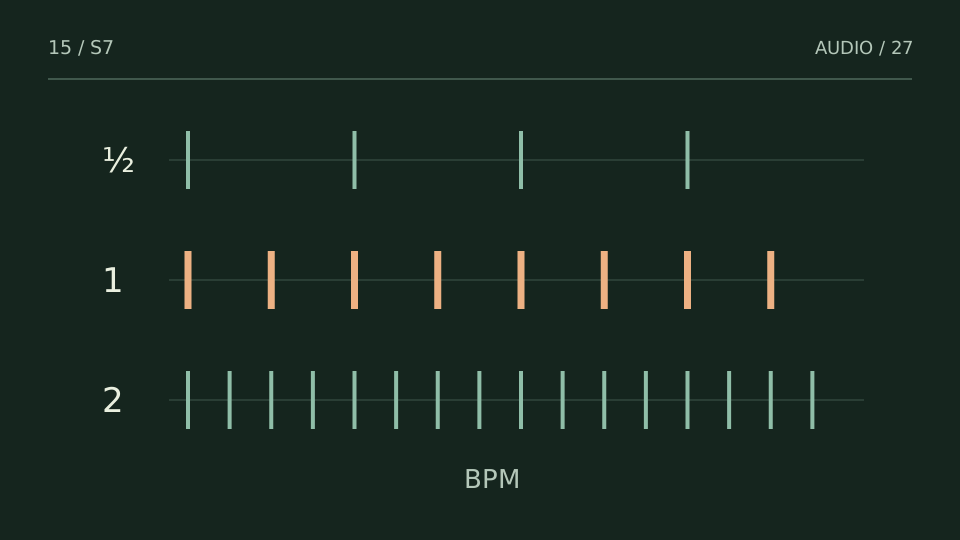
Trap is the classic 'count it two ways' genre. Producers write it at 130–150 BPM (140 is the anchor), but because the snare/clap lands on beat 3, it feels like half that — around 70 BPM. Both numbers are 'correct'; they describe the same groove.
What are you doing with this tempo?
Subgenres
| Subgenre | Typical | Range |
|---|---|---|
| Latin trap (mainstream) | 140 | 130–150 |
| Trap corrido / corridos tumbados feel | 75 | 70–85 |
| Drill-influenced Latin trap | 142 | 138–145 |
Typical structure
Intro (atmosphere) → hook → verse → hook → verse → hook out. The 808 and hook define the song; arrangements stay minimal.
Production notes
Set the DAW to ~140 BPM and program hi-hats in triplets and 1/32 rolls; the snare hits on beat 3 (the half-time feel). 808s are the lead instrument: tune them to the key, glide between notes, and keep them mono and controlled in the low end. Leave space — trap is sparse by design. If you prefer to write at 70 BPM, double your hi-hat resolution.
Related genres
More in this family
FAQ
How many BPM is Latin trap?
Why does trap have two BPM numbers?
What BPM should I use for an 808 trap beat?
DJing at 140 BPM? → DJ set planner (BPM, key & Camelot, printable)
Release notes
Get software and plugin release news
Music Catalog, plugin releases and useful studio notes. Subscribe for availability and updates.
By subscribing, you agree to receive release news. Privacy policy