
BPM by genre
UK Garage
Curated by se7en beatlab · updated September 2026
Electronic · 3 subgenres mapped
Range: 130–138 BPM
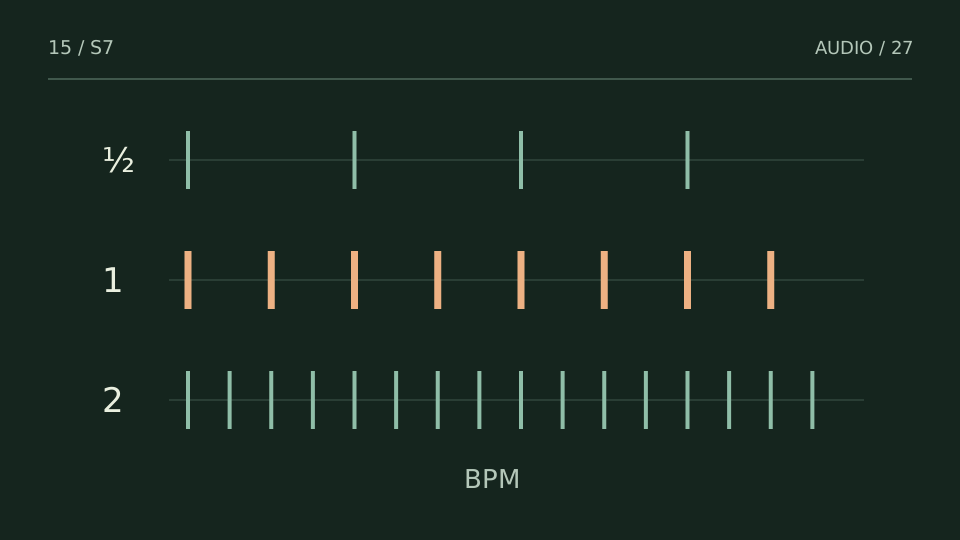
UK Garage works a brisk tempo pocket: most tracks land between 130 and 138 BPM, with 133 BPM as the typical center. The tempo is driven by the swung, syncopated drum groove more than the melody, so even at 133 it feels bouncy rather than rushed.
What are you doing with this tempo?
Subgenres
| Subgenre | Typical | Range |
|---|---|---|
| 2-step | 132 | 130–135 |
| Speed garage | 136 | 135–138 |
| Future garage | 132 | 130–135 |
Production notes
Build around a heavily swung 4/4 or skippy 2-step pattern at 133 BPM, pushing the hats and shuffling the snare off the grid so the groove breathes instead of marching. The bass is the hook: chop sub-heavy basslines into a syncopated, gap-filled riff that locks with the kick rather than running underneath it. Lean on chopped vocal stabs, time-stretched diva samples and warm organ-style chords to keep that classic garage flavor. For speed garage at 135-138, drop in reese and wobble basses and a harder kick; for future garage at 130-132, pull the swing back, add reverb-drenched space and atmospheric pads. Keep the low end clean with sidechaining so the sub and kick never fight at this tempo.
Typical structure
Tracks usually run intro, a vocal-led main section, a stripped bass-and-drum breakdown, and a final drop, arranged for DJ-friendly mixing with extended drum-only intros and outros.
FAQ
How fast is uk garage, in BPM?
What BPM are the UK Garage sub-genres?
Is UK Garage faster than house?
Related genres
More in this family
Planning a UK Garage set? → DJ set planner (BPM, key & Camelot, printable)
Release notes
Get software and plugin release news
Music Catalog, plugin releases and useful studio notes. Subscribe for availability and updates.
By subscribing, you agree to receive release news. Privacy policy