
BPM by genre
Phonk
Curated by se7en beatlab · updated September 2026
Hip-Hop · 2 subgenres mapped
Range: 120–160 BPM
Phonk sits at 140 BPM as its center of gravity, with most tracks landing anywhere between 120 and 160 BPM depending on the flavor. Drift phonk pushes toward the faster, aggressive end (130–150, typically 140), while Memphis phonk stays slower and grimier (120–140, typically 130). The cowbell-driven groove and that distorted 808 are what define the sound far more than any one tempo.
What are you doing with this tempo?
Production notes
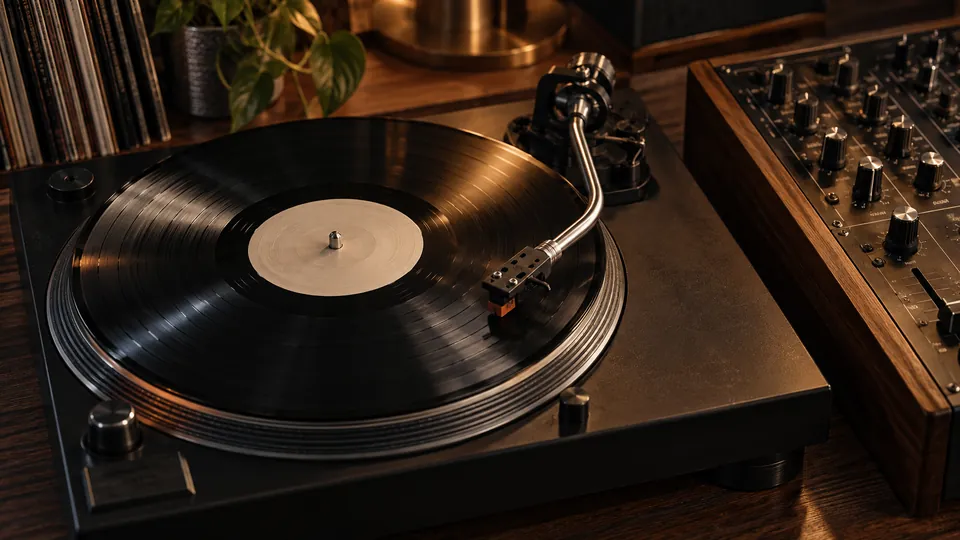
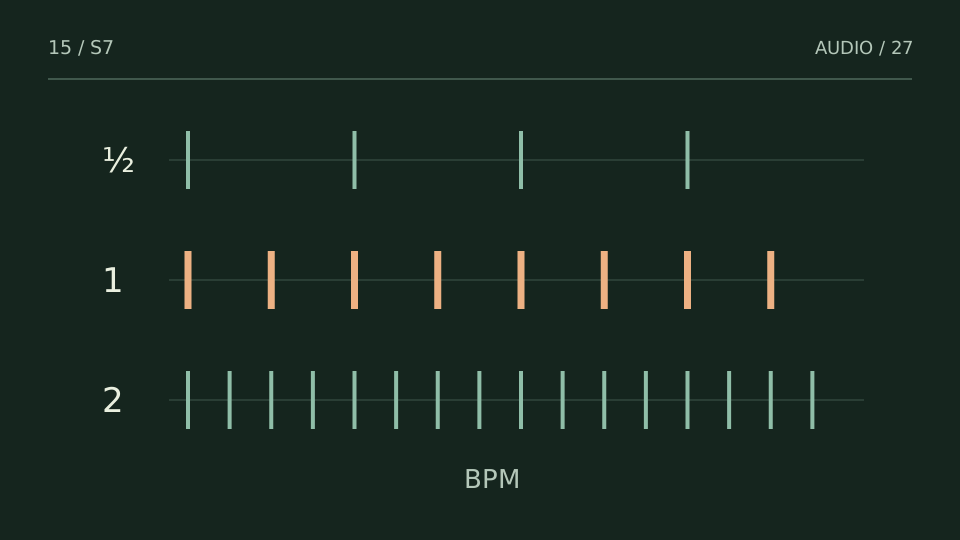
Build the groove around the signature cowbell melody and a hard, distorted 808 bass — at 140 BPM the cowbell pattern usually rides in eighths and sixteenths to keep the energy moving. Keep the drums punchy and slightly lo-fi: saturated kicks, crisp trap hi-hats with rolls and triplets, and heavy 808 glides that you tune to the key of your melody. For drift phonk lean into aggressive distortion, sidechain the 808 against the kick, and let the cowbell carry the hook; for Memphis phonk pull the tempo back toward 130, add vinyl crackle, tape hiss, and chopped vocal samples for that grimy 90s feel. Master loud and bass-forward — phonk is meant to hit hard in cars and on phone speakers alike.
Typical structure
Phonk tracks are loop-driven and short, usually a quick intro into a hard-hitting cowbell-and-808 main section, with a drop or beat switch around the midpoint and an abrupt outro. Most run 1.5 to 2.5 minutes, built for playlists and short-form video.
Subgenres
| Subgenre | Typical | Range |
|---|---|---|
| Drift phonk | 140 | 130–150 |
| Memphis phonk | 130 | 120–140 |
FAQ
What BPM range does phonk use?
What is the difference between drift phonk and Memphis phonk?
What BPM should I make a phonk beat at?
Related genres
More in this family
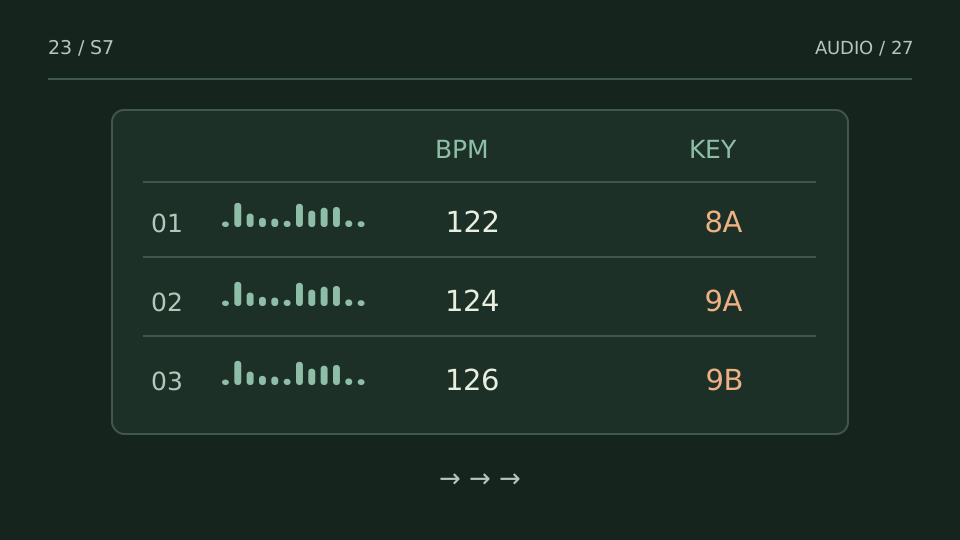
Sequencing Phonk tracks? → DJ set planner (BPM, key & Camelot, printable)
Release notes
Get software and plugin release news
Music Catalog, plugin releases and useful studio notes. Subscribe for availability and updates.
By subscribing, you agree to receive release news. Privacy policy