
BPM by genre
Salsa
Curated by se7en beatlab · updated September 2026
Latin · 3 subgenres mapped
Range: 150–250 BPM
Salsa runs hot: most arrangements sit around 180 BPM, with the wider genre spanning 150 to 250 BPM. The tempo is driven by the clave and the montuno, so the count stays brisk even when the song feels relaxed on the dance floor.

What are you doing with this tempo?
Subgenres
| Subgenre | Typical | Range |
|---|---|---|
| Salsa romántica | 175 | 150–195 |
| Salsa dura | 200 | 185–215 |
| Timba (Cuban) | 220 | 195–250 |
Production notes
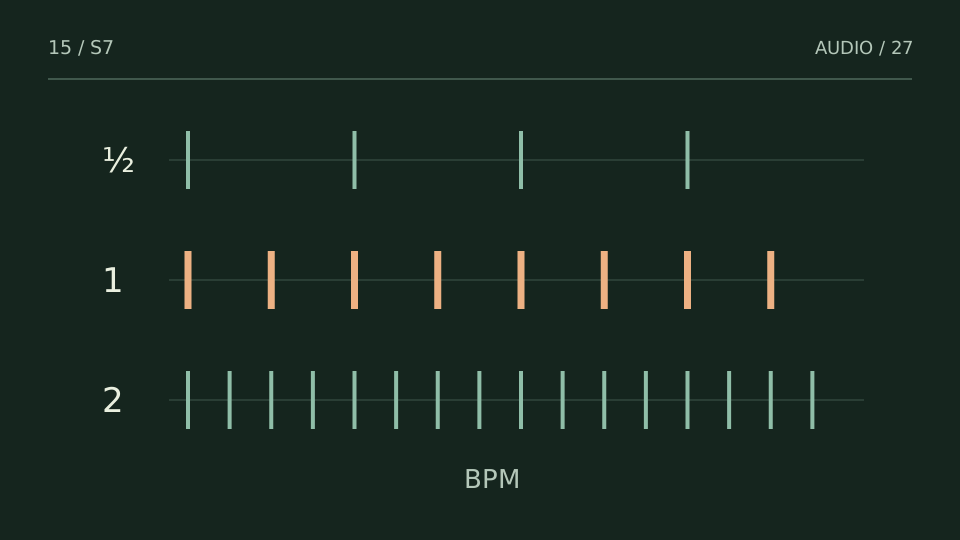
Lock everything to the clave first (2-3 or 3-2) and let the conga tumbao, timbales, and bongó cáscara breathe inside that grid at 180 BPM. Because the count is fast, players and producers usually feel salsa in half-time around 90 BPM, which keeps the piano montuno and bass tumbao from sounding frantic. Write the bass anticipated (off the downbeat, hitting the 'and' of beat 2 and beat 4) so it pushes against the piano rather than doubling it. Stack the horn section as call-and-response mambo and moña sections rather than continuous pads, and reserve the full brass for the montuno and mambo climax. Salsa romántica (~175) leans on the rhythm section and softer dynamics, while salsa dura (~200) and Cuban timba (up to 250) demand tighter percussion edits and more aggressive horn stabs.
Typical structure
A typical salsa builds from a sung verse (canto/largo) into the montuno, an open call-and-response section over the piano vamp where coro, soneo, mambo, and moña sections trade and intensify toward the end. Arrangements often run 5–7 minutes to give the montuno and percussion room to develop.
FAQ
How fast is salsa, in BPM?
Why does salsa feel slower than its BPM?
What BPM should I use for salsa romántica vs salsa dura?
Related genres
More in this family
DJing at 180 BPM? → DJ set planner (BPM, key & Camelot, printable)
Release notes
Get software and plugin release news
Music Catalog, plugin releases and useful studio notes. Subscribe for availability and updates.
By subscribing, you agree to receive release news. Privacy policy