
BPM by genre
Disco
Curated by se7en beatlab · updated September 2026
Pop · 2 subgenres mapped
Range: 110–130 BPM
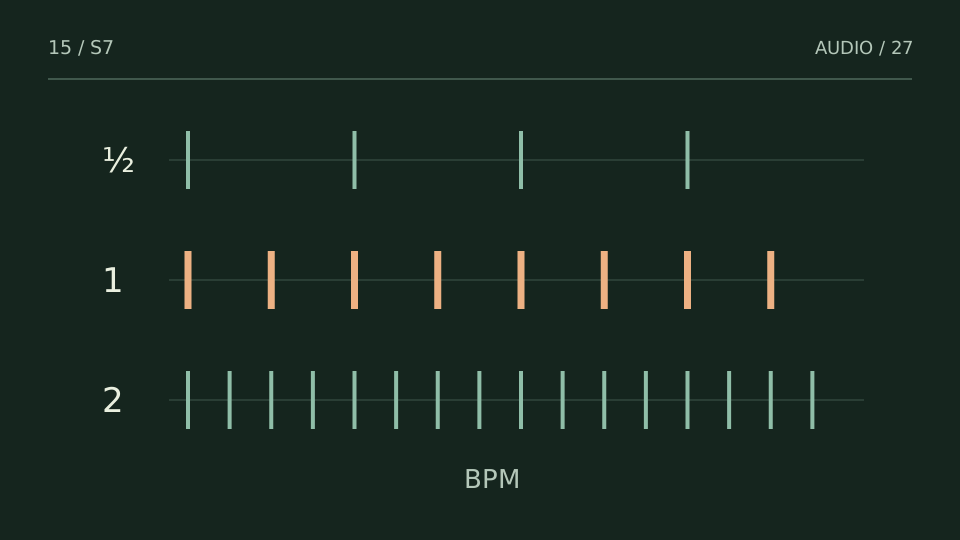
Disco is anchored to a steady, danceable pulse: most tracks sit right around 120 BPM, with a working range of 110 to 130 BPM. That tempo is driven by the four-on-the-floor kick, which keeps the groove locked and the dancefloor moving regardless of the melody on top.
What are you doing with this tempo?
Typical structure
Disco tracks typically run long with an extended intro, verse-chorus sections, and a stripped breakdown that drops to bass, hats, and percussion before the full arrangement returns. The extended outro is built for DJ mixing, keeping the groove going well past the final vocal.
Subgenres
| Subgenre | Typical | Range |
|---|---|---|
| Classic disco | 120 | 115–125 |
| Nu-disco | 122 | 118–125 |
Production notes
Build everything off a four-on-the-floor kick at 120 BPM and let an open hi-hat hit every offbeat (the '+' of each beat) to create that signature lift. Bass is the engine here: write a busy, octave-jumping or syncopated bassline that locks tight to the kick rather than just holding root notes. Keep the snare or clap on beats 2 and 4, and reserve syncopated 16th-note hats and percussion for the breakdowns. For nu-disco, push slightly faster toward 122 BPM, lean into sidechain compression, and swap live strings for warm analog-style synths and filtered chords. Layer string stabs, guitar 16ths, and brass risers to fill the mid-range without crowding the bass.
Related genres
FAQ
What tempo does disco sit at?
Is disco faster than house music?
What BPM is nu-disco?
Building a set in this genre? → DJ set planner (BPM, key & Camelot, printable)
Release notes
Get software and plugin release news
Music Catalog, plugin releases and useful studio notes. Subscribe for availability and updates.
By subscribing, you agree to receive release news. Privacy policy