Music in 2027 will not be defined by sound alone. The real shift is happening at the intersection of technology, artistic identity, distribution, and audience experience. The next wave is not just about which genre becomes fashionable. It is about how artists build a sustainable career while the tools, platforms, and expectations around music keep changing.
1. AI Will Stay in the Workflow, But Taste Will Matter More
Artificial intelligence will remain part of production, editing, and ideation, but the artists who stand out will be the ones who know how to direct those tools with intention. In 2027, originality will come less from pressing a button and more from shaping the result with taste, restraint, and a recognizable identity.
2. Catalog Strategy Will Be Just As Important As New Releases
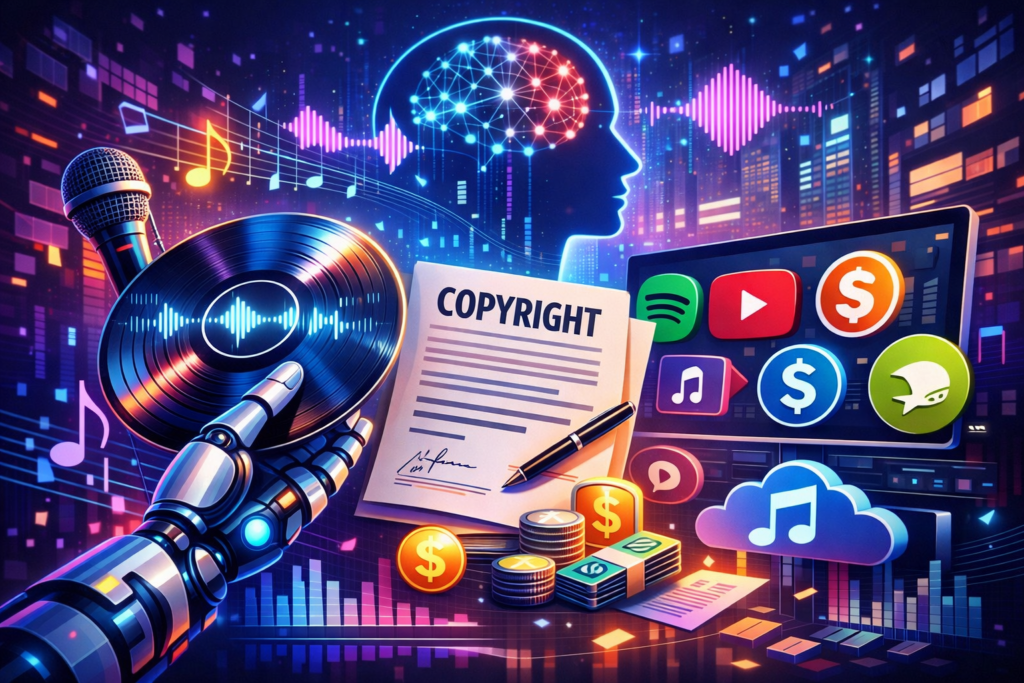
Independent artists and producers will keep treating their catalog like a living asset. Metadata, splits, registrations, alternate versions, and licensing readiness will matter more because a track no longer lives only on streaming platforms. It also has to work across content, sync, short-form video, and creator ecosystems.
3. Niche Communities Will Outperform Broad, Passive Audiences
The strongest projects will not necessarily be the ones with the biggest reach. They will be the ones with the deepest connection to a specific audience. In practice, that means artists who understand their scene, their message, and their visual language will be in a better position than those chasing generic exposure.
4. Music Production Will Keep Moving Toward Faster, Leaner Decisions
Producers will keep relying on workflows that reduce friction: cleaner templates, faster plugin chains, stem-based collaboration, and flexible mastering paths. The advantage will come from speed with judgment, not from collecting more tools. The people who win will be the ones who can move from idea to release without losing clarity.
5. The Industry Will Reward Artists Who Think Like Operators
By 2027, the artists who grow will usually think beyond the song itself. They will understand rights, release strategy, audience retention, monetization, and positioning. Music will still be emotional and creative at its core, but the careers that last will be built by people who can combine art with structure.
The future of music is not about replacing human creativity. It is about raising the standard for intention. In 2027, the artists, producers, and composers who stay relevant will be the ones who can turn tools into identity, releases into assets, and listeners into a real community.